What Is the Best Bedding Material? A Complete Guide to Natural Fabrics (2026)

Choosing bedding is often treated as a simple decision something selected for appearance or convenience. But the materials you sleep in shape something far more personal: how your body rests, how your skin feels, and how your home holds you at the beginning and end of each day.
At Calinea, we believe the right bedding is not chosen quickly. It is understood.
What is the best bedding material? (Quick Answer)
The best bedding materials are natural, breathable fabrics such as linen, muslin, and high-quality cotton.
These materials regulate temperature, allow airflow, and become softer over time creating a more comfortable and enduring sleep experience than synthetic alternatives.
Why material matters more than thread count
Thread count has long been used as a shortcut for quality. In reality, it often obscures what matters most.
What defines exceptional bedding is not density it’s breathability, fiber integrity, and how the fabric interacts with your body.
Natural fibers:
-
Allow air to circulate freely
-
Adapt to temperature changes
-
Absorb and release moisture naturally
-
Soften with time rather than degrade
Synthetic blends, by contrast, tend to trap heat and prioritize durability at the expense of comfort.
A comparison of the best natural bedding materials
| Material | Feel | Best For | Key Benefit |
|---|---|---|---|
| Linen | Lightly textured, relaxed | Warm climates, elevated aesthetic | Exceptional airflow, long-lasting |
| Muslin | Soft, airy, cloud-like | Hot sleepers, layered bedding | Ultra-breathable, lightweight |
| Turkish Cotton | Smooth, balanced softness | Everyday comfort, all seasons | Softness + durability |
| Percale Cotton | Crisp, cool, structured | Those who prefer a clean finish | Breathable, hotel-like feel |
Each material carries its own character. The best choice depends on how you sleep—and how you want your bed to feel.
Linen: effortless texture and quiet luxury

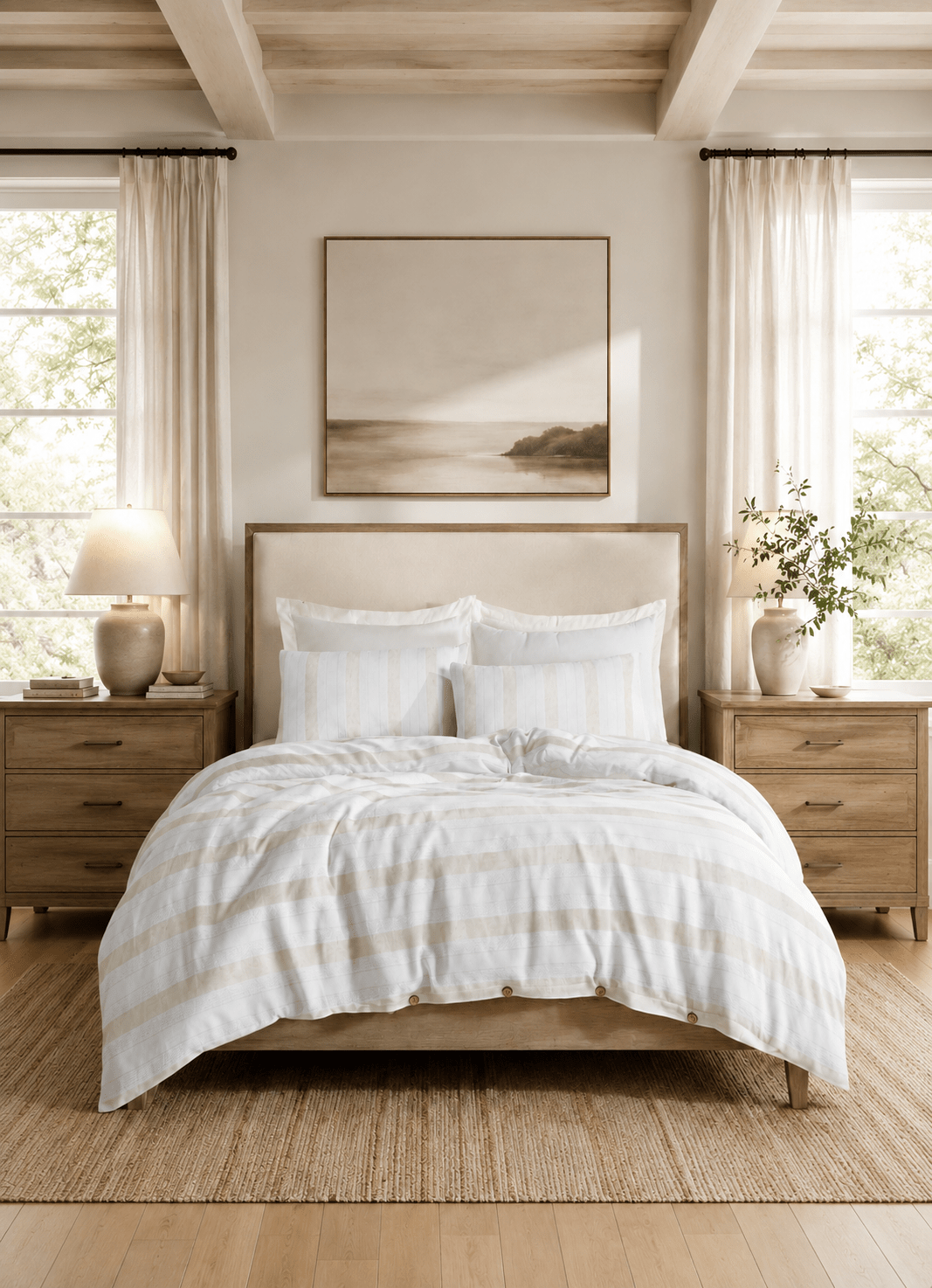
Linen is made from the flax plant and is known for its natural breathability and durability. It has a slightly textured feel and a relaxed drape that brings depth to a space without feeling overdesigned.
It is especially well suited for:
-
Warmer environments
-
Those who prefer a more relaxed, lived-in bed
-
Homes that embrace a natural, understated aesthetic
Over time, linen softens while maintaining its structure becoming more comfortable with every use.
Muslin: lightness, redefined
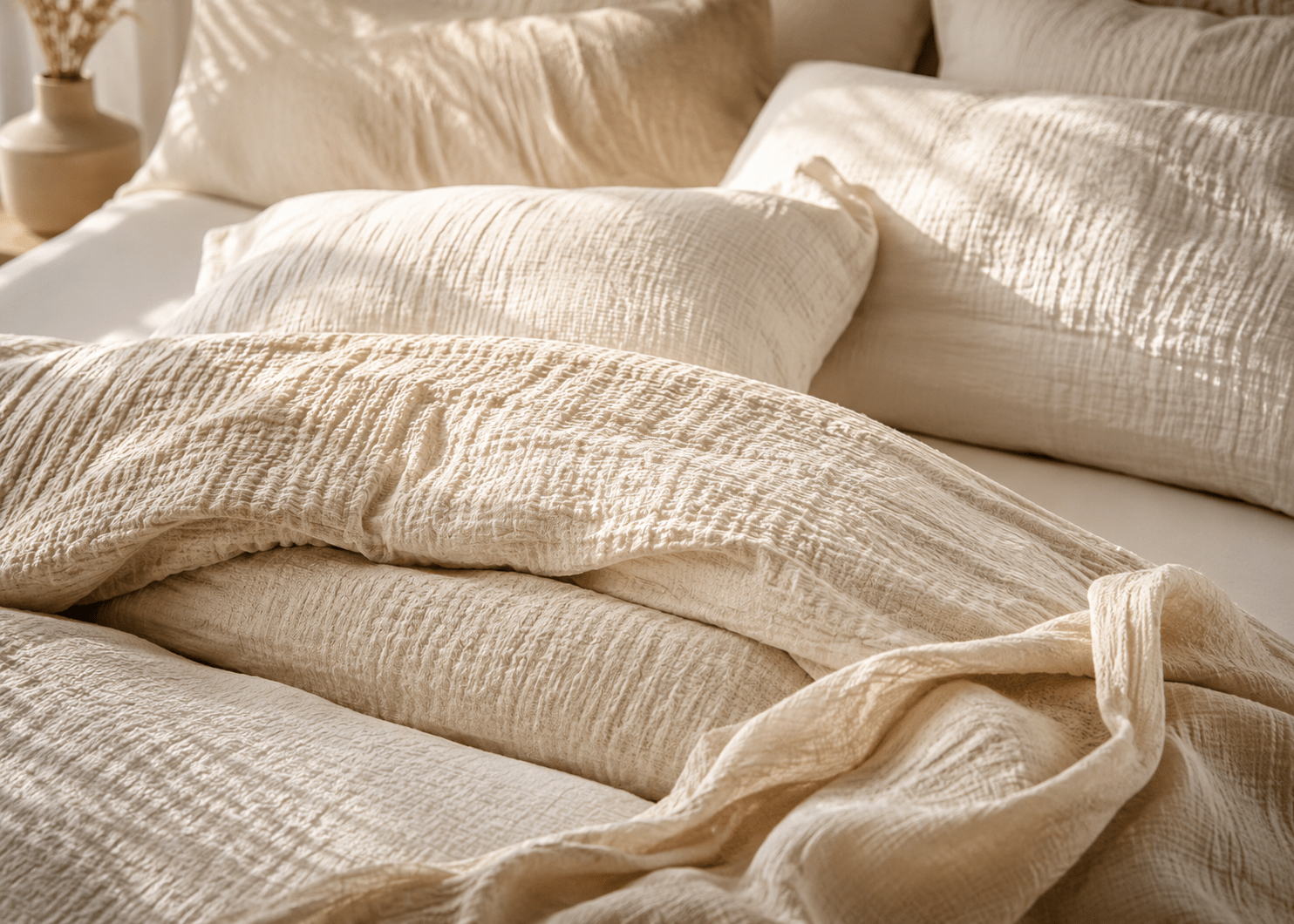
Muslin offers a different kind of comfort one defined by airiness and movement.
Woven in a way that allows for maximum airflow, muslin creates a cloud-like, breathable layer that feels almost weightless. It’s particularly suited for:
-
Hot sleepers
-
Summer climates
-
Layered, modern bedding styles
The experience is less about structure and more about ease. Muslin doesn’t sit on the body—it moves with it.
Turkish Cotton: everyday refinement

Turkish cotton is known for its long fibers, which create a fabric that is both soft and durable.
It offers a balanced feel:
-
Smooth without being heavy
-
Soft without losing structure
-
Comfortable across all seasons
For those seeking a refined, dependable foundation for their bed, Turkish cotton provides effortless versatility.
The hidden difference: natural vs synthetic bedding
Most bedding today is produced for efficiency. That often means synthetic blends designed to reduce cost and increase durability.
But these materials behave differently against the body.
Synthetic fabrics tend to:
-
Trap heat rather than release it
-
Limit airflow
-
Rely on chemical finishes for softness
Natural fibers, by contrast, work with your body allowing heat and moisture to move freely, creating a more comfortable sleep environment.
How to choose the right bedding for your lifestyle
The best bedding material is not universal it’s personal.
Consider three things:
1. How you sleep
-
Sleep hot → Muslin or linen
-
Prefer structure → Percale or Turkish cotton
2. Your environment
-
Warm climates → Lightweight, breathable fabrics
-
Cooler climates → Slightly heavier weaves or layered bedding
3. Your aesthetic
The right bedding should feel effortless never restrictive, never overly styled.
Our perspective at Calinea
At Calinea, material is where everything begins.
We work exclusively with natural, breathable fibers including muslin, Turkish cotton, and linen blends chosen not only for how they look, but for how they live over time.
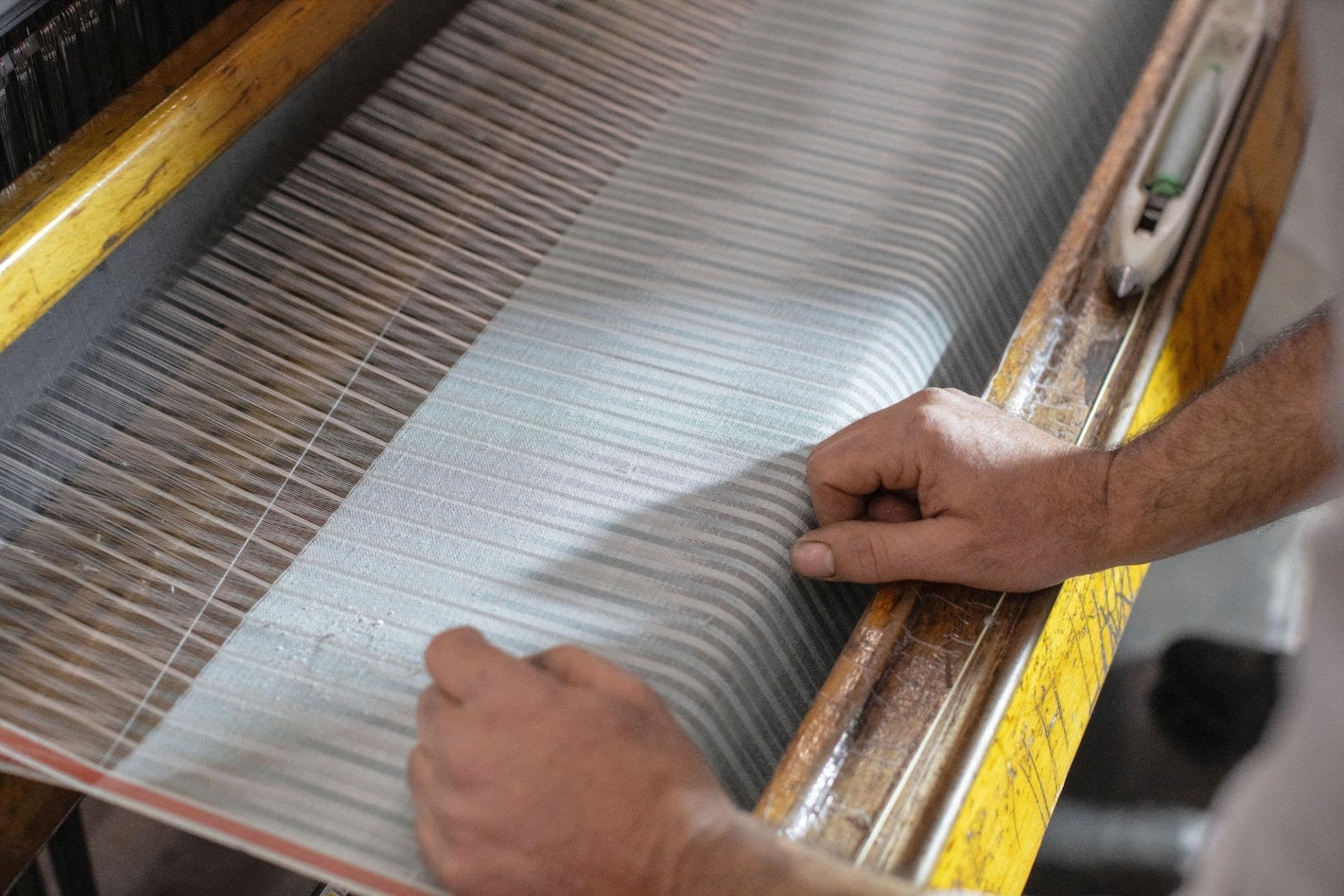
Our collections are produced in small batches with trusted family-run partners, allowing for:
-
Greater attention to detail
-
Thoughtful material sourcing
-
A slower, more intentional approach to production
In a world shaped by fast textiles and synthetic blends, we choose a different path one that prioritizes quality, longevity, and the experience of everyday living.
Final thought
The best bedding material is not defined by trend or specification.
It is defined by how it feels night after night, season after season.
When chosen well, bedding becomes more than a layer.
It becomes part of how you live.
Explore natural bedding by Calinea
Discover breathable, small-batch collections designed for comfort, simplicity, and refined living.

Written by My Store Admin