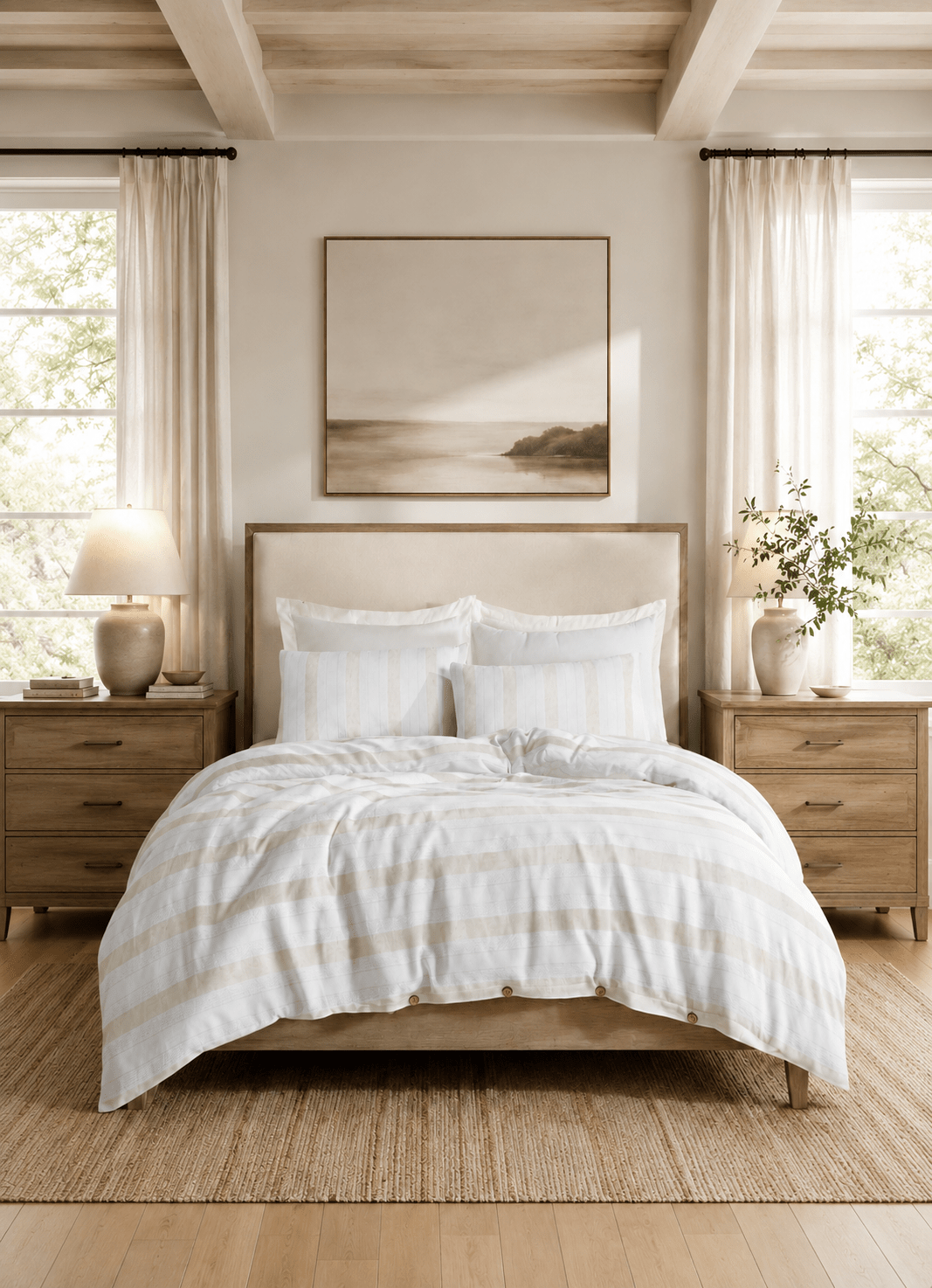
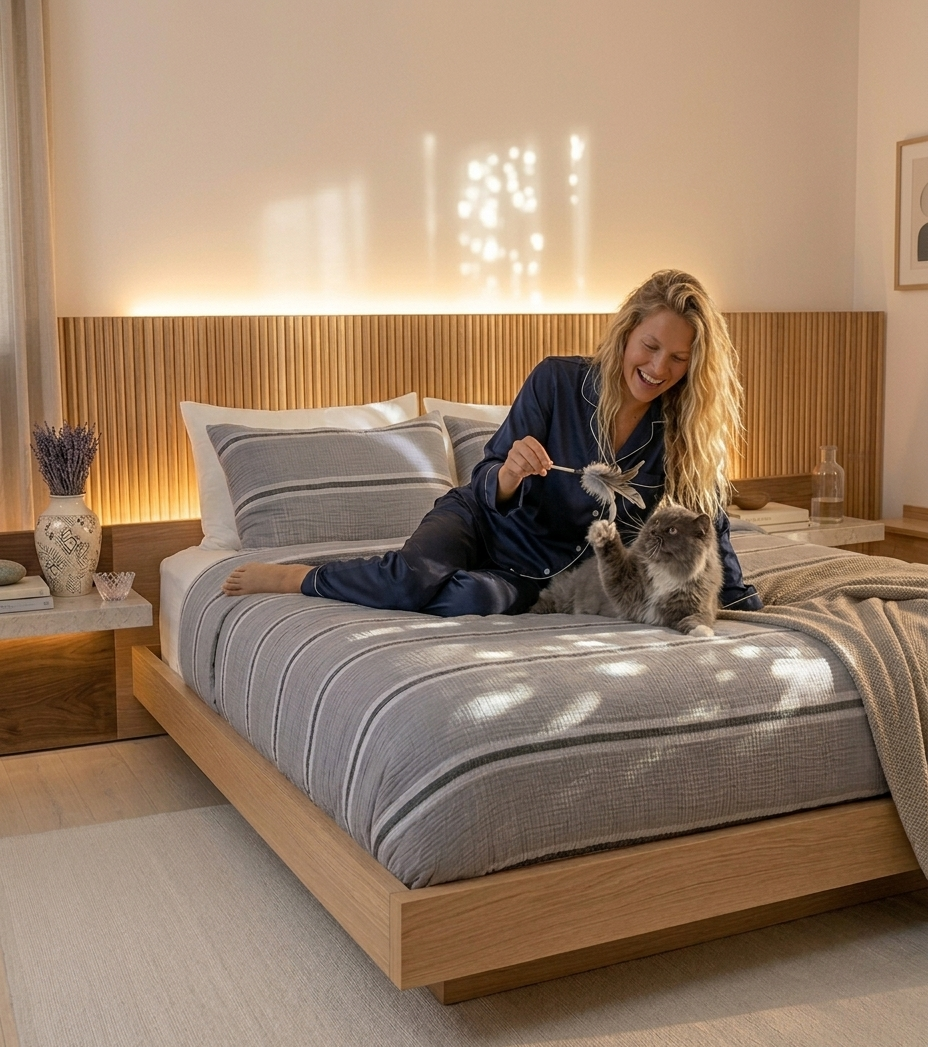
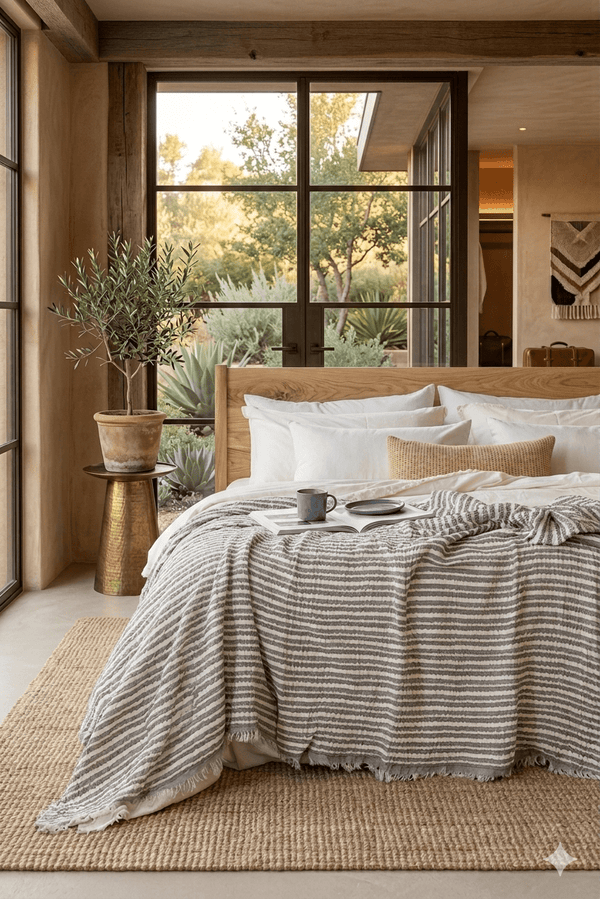
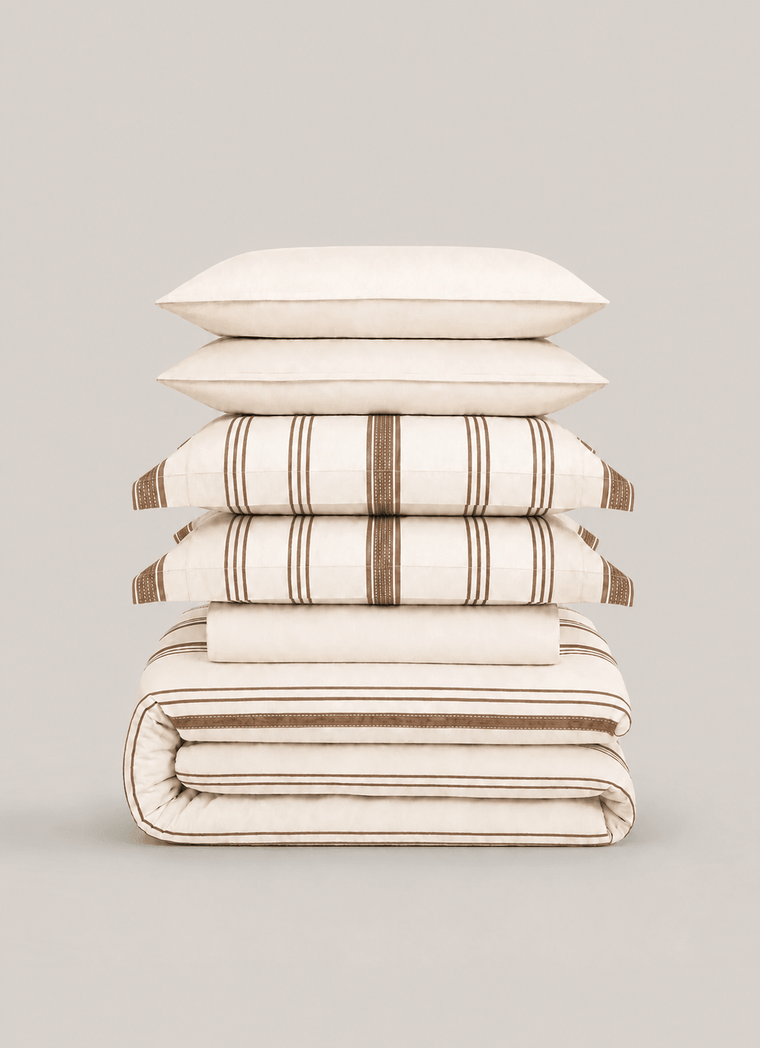
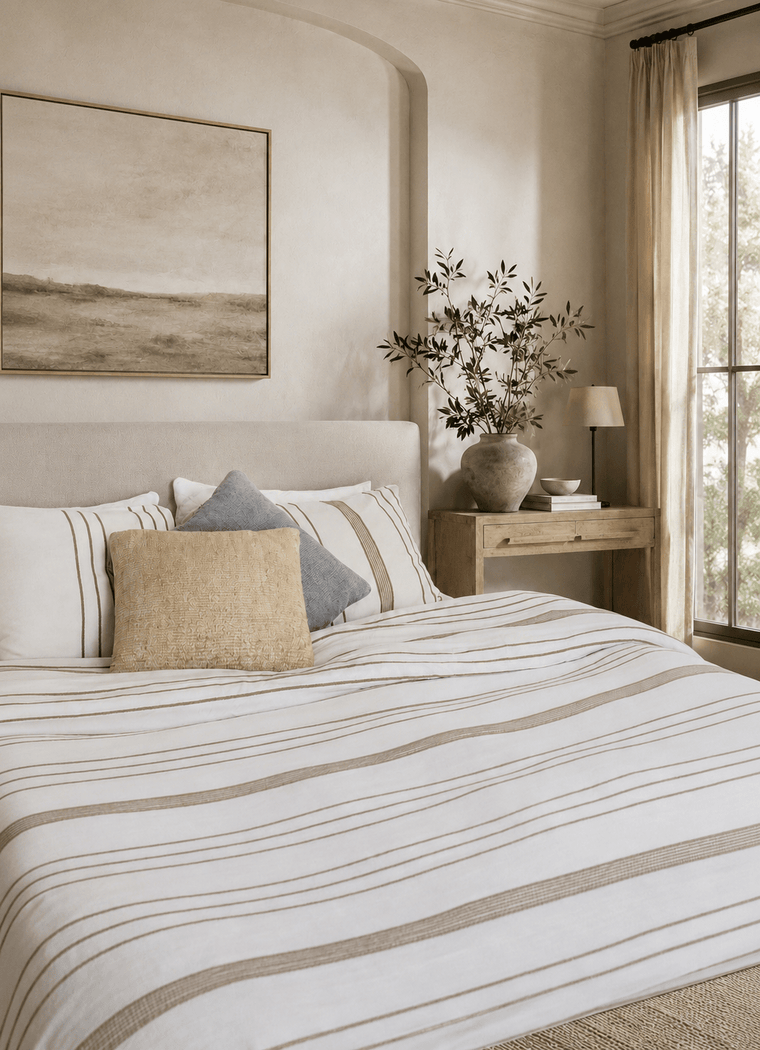
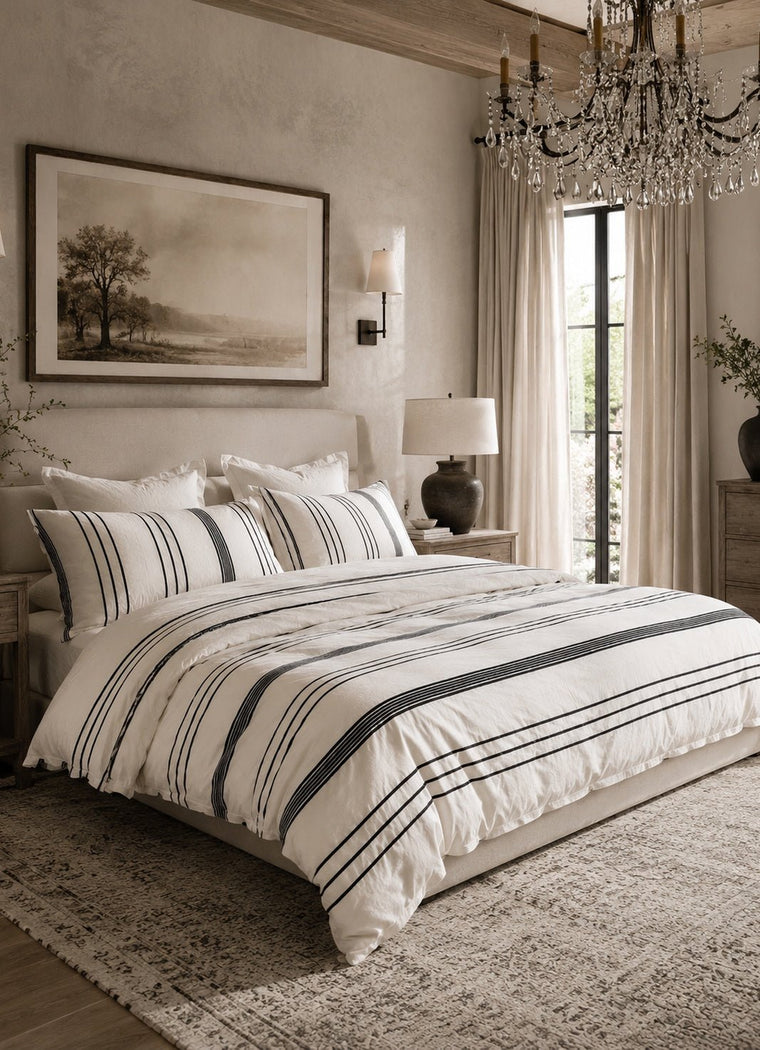
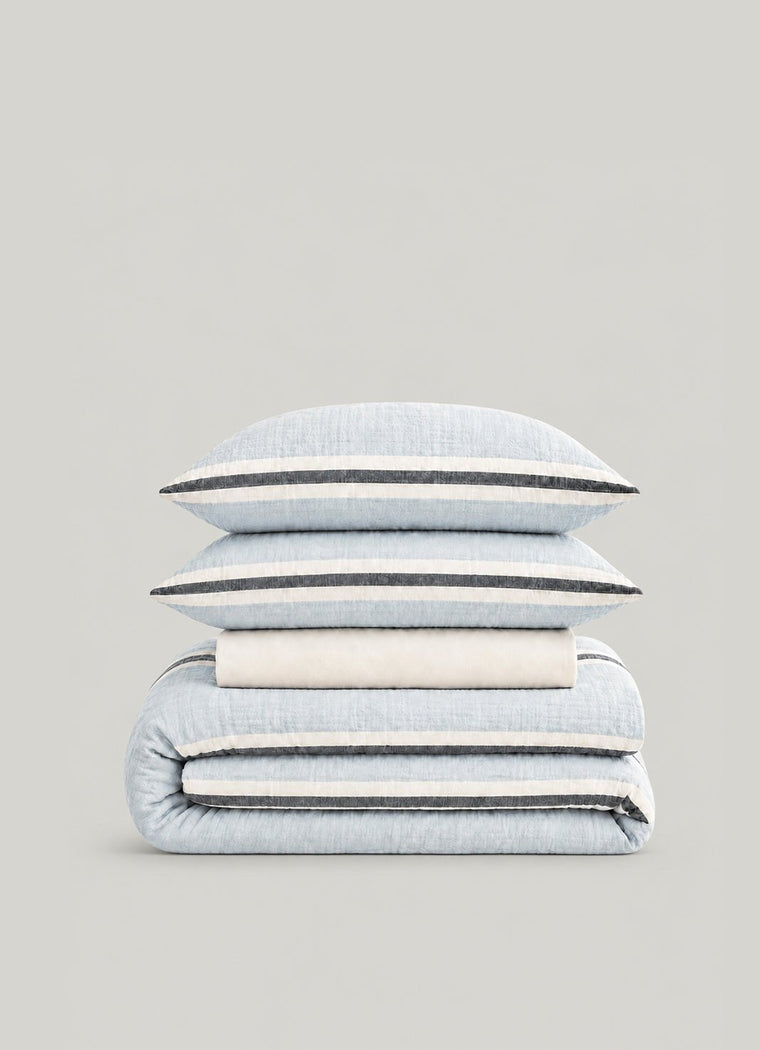
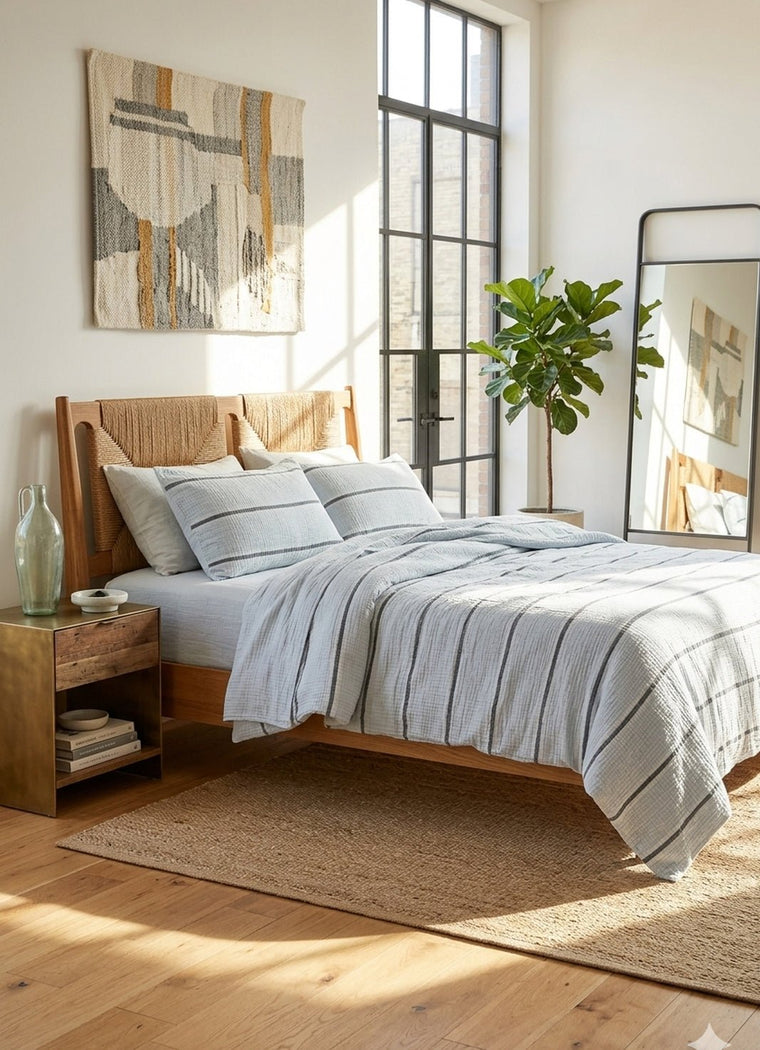
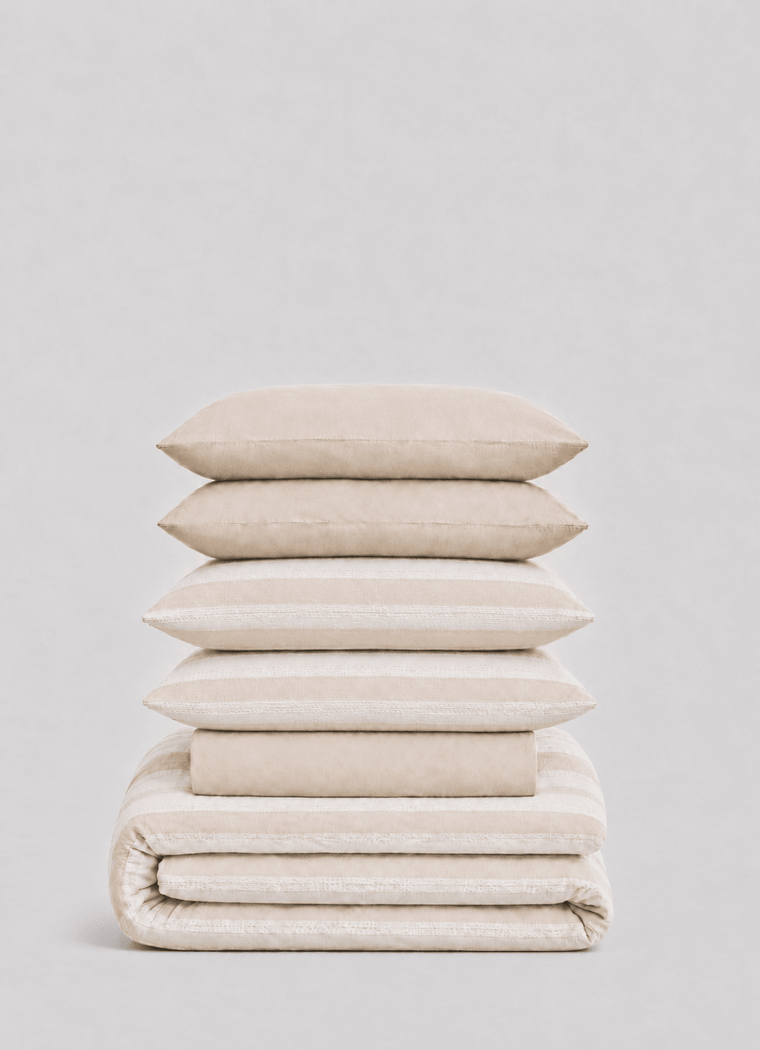
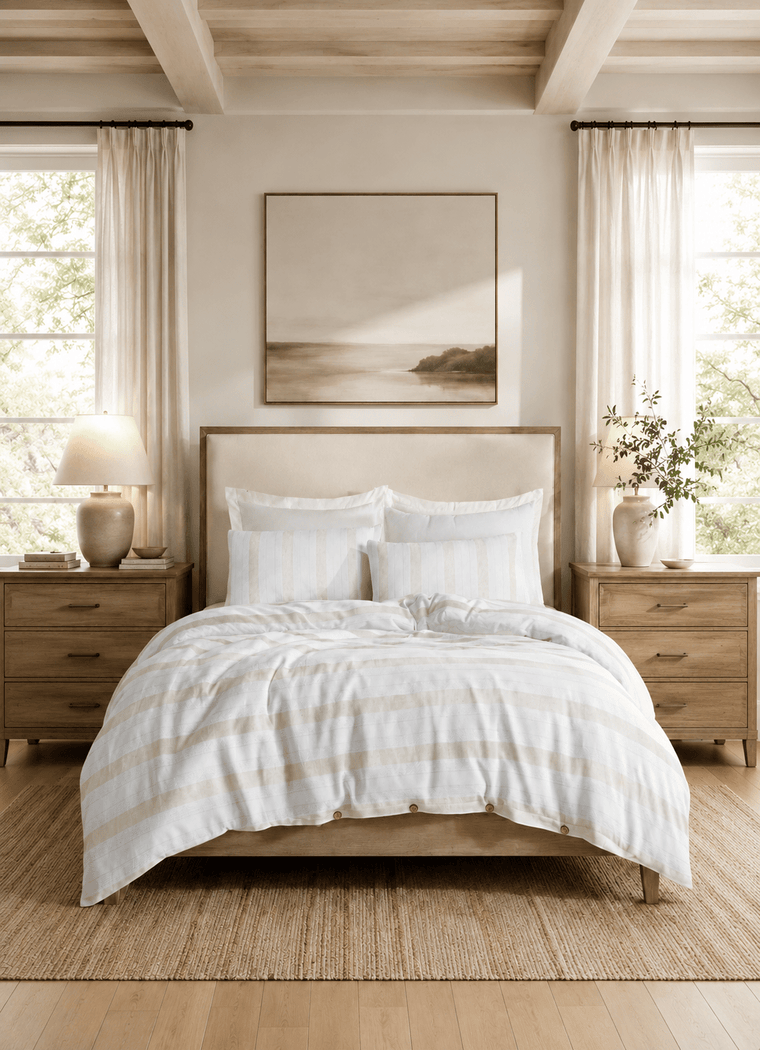
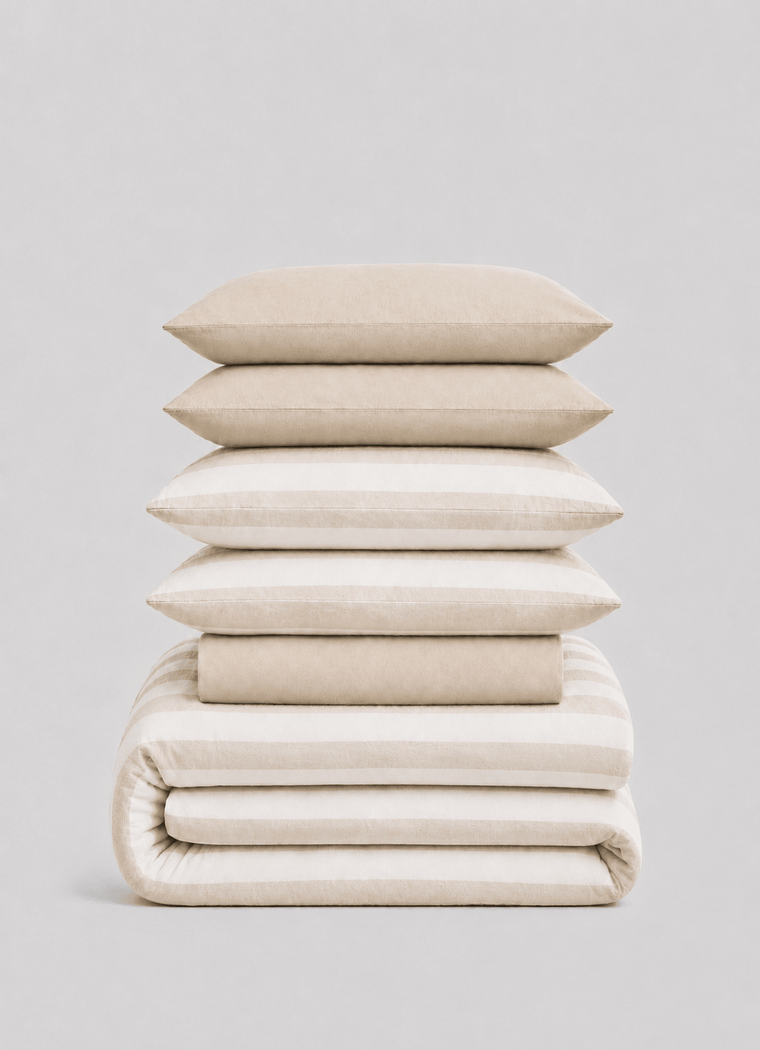
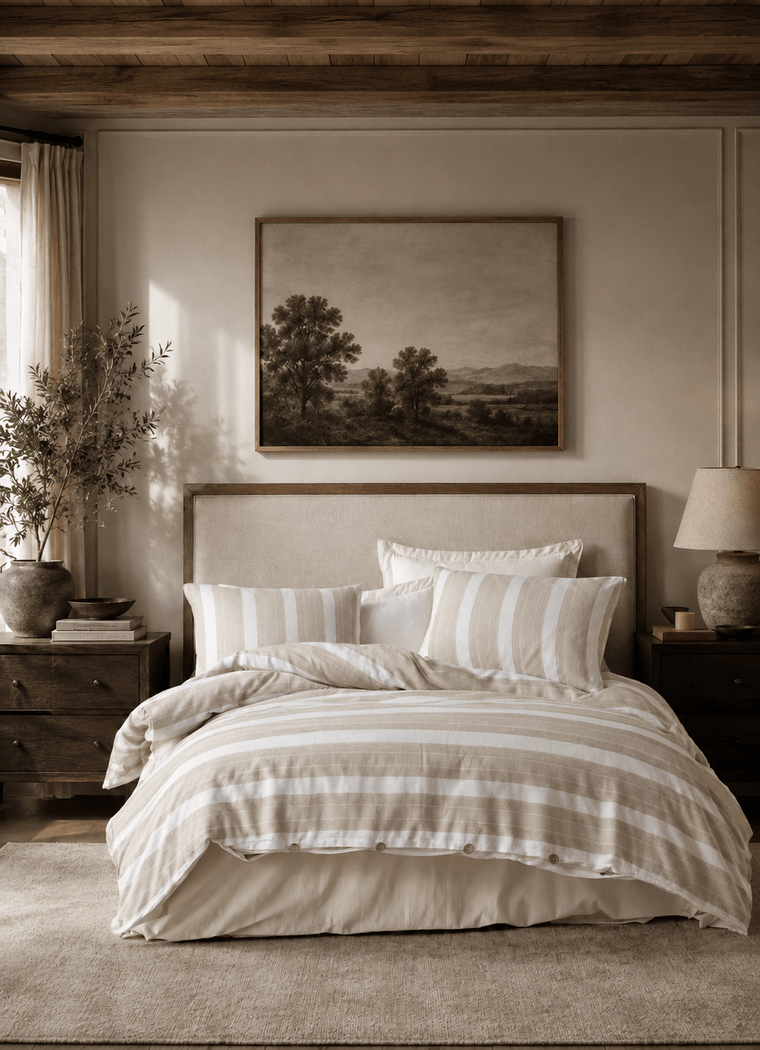
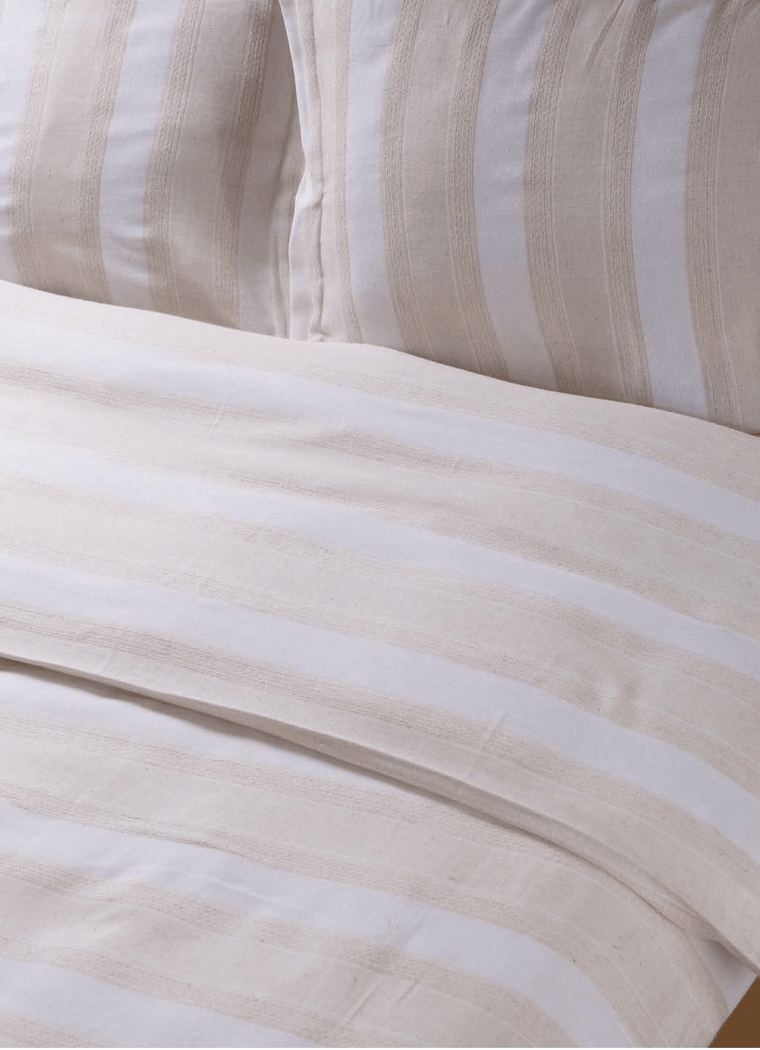
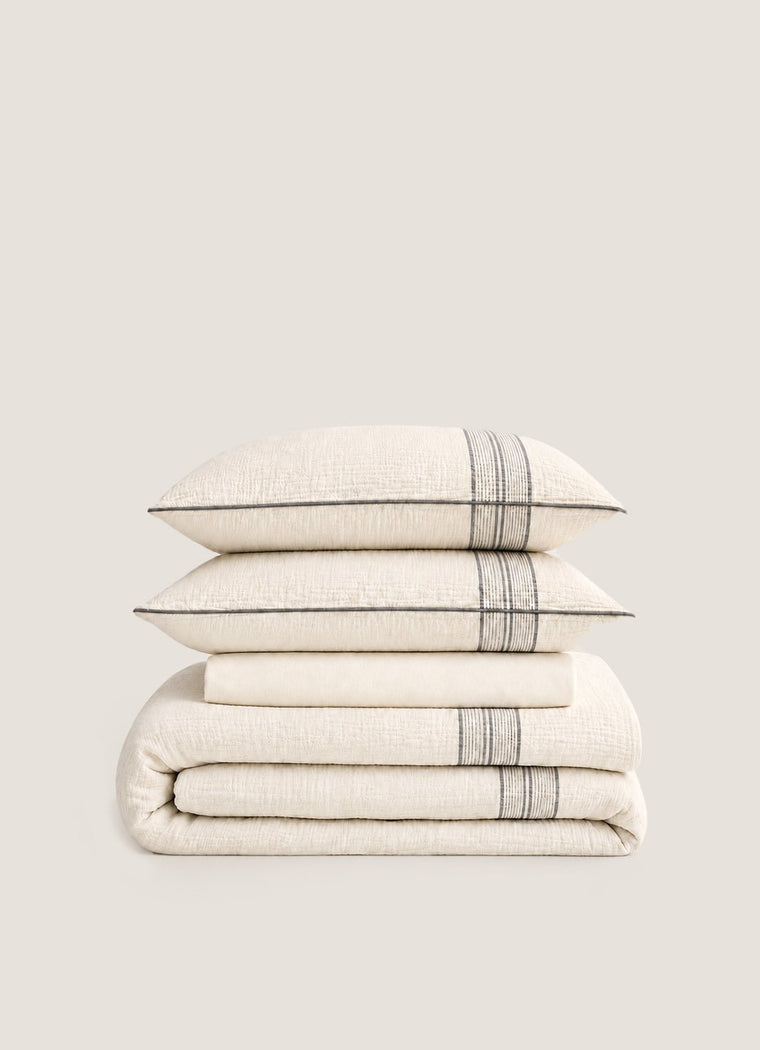
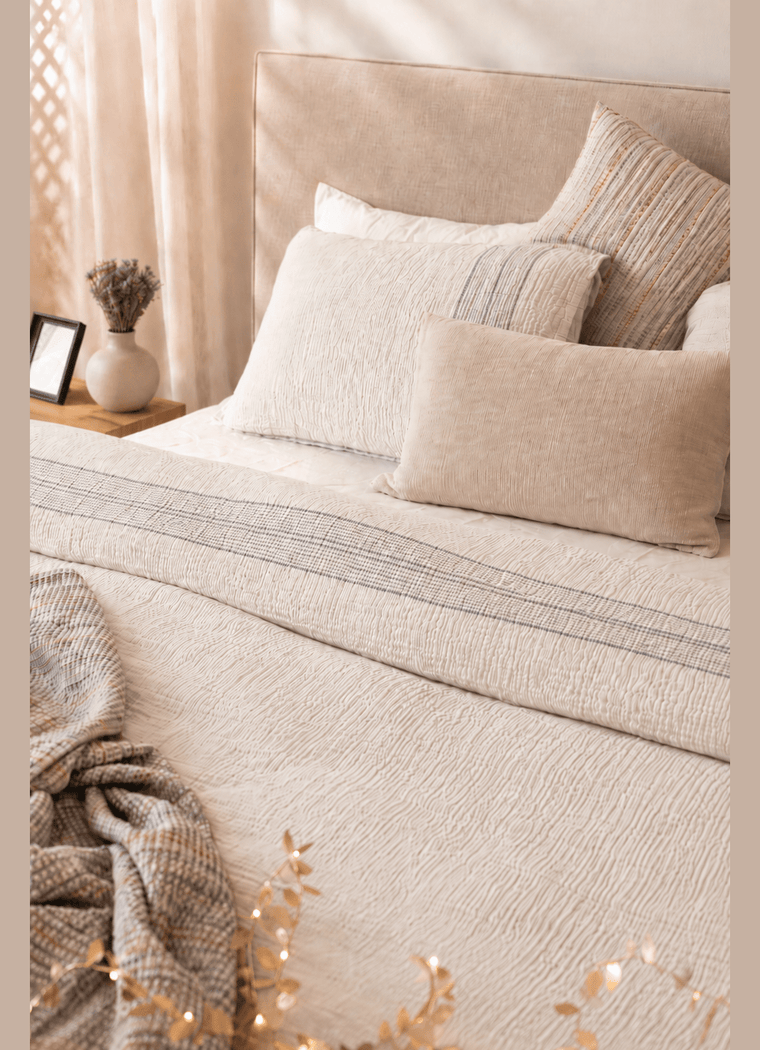
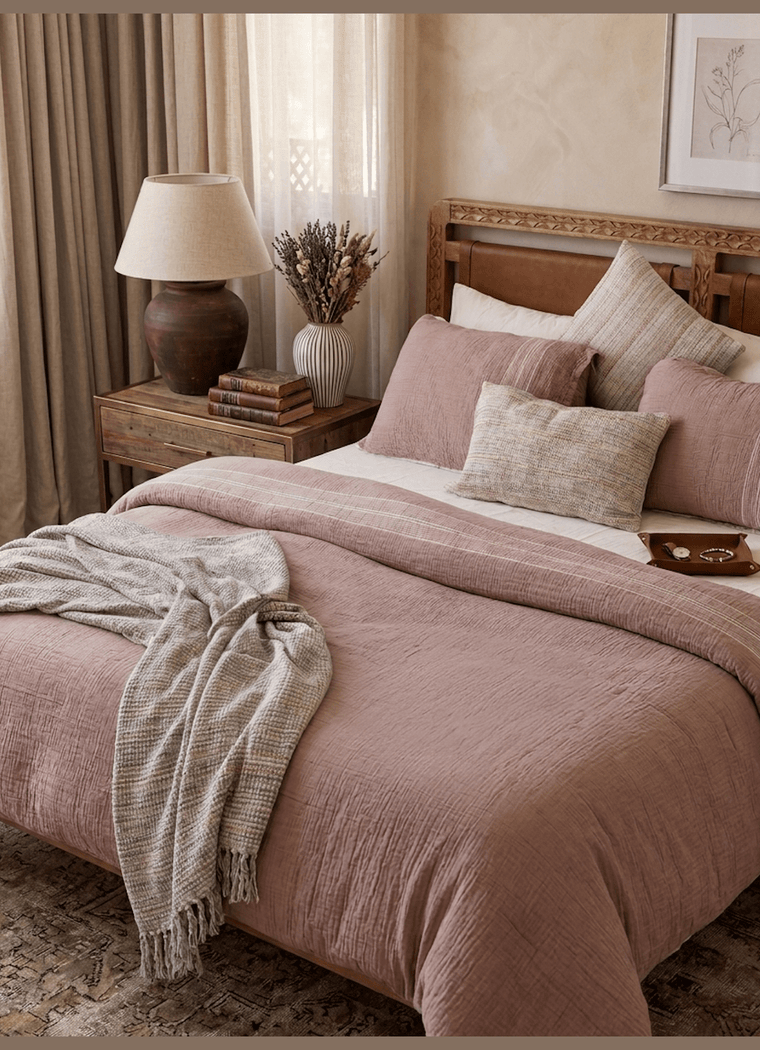
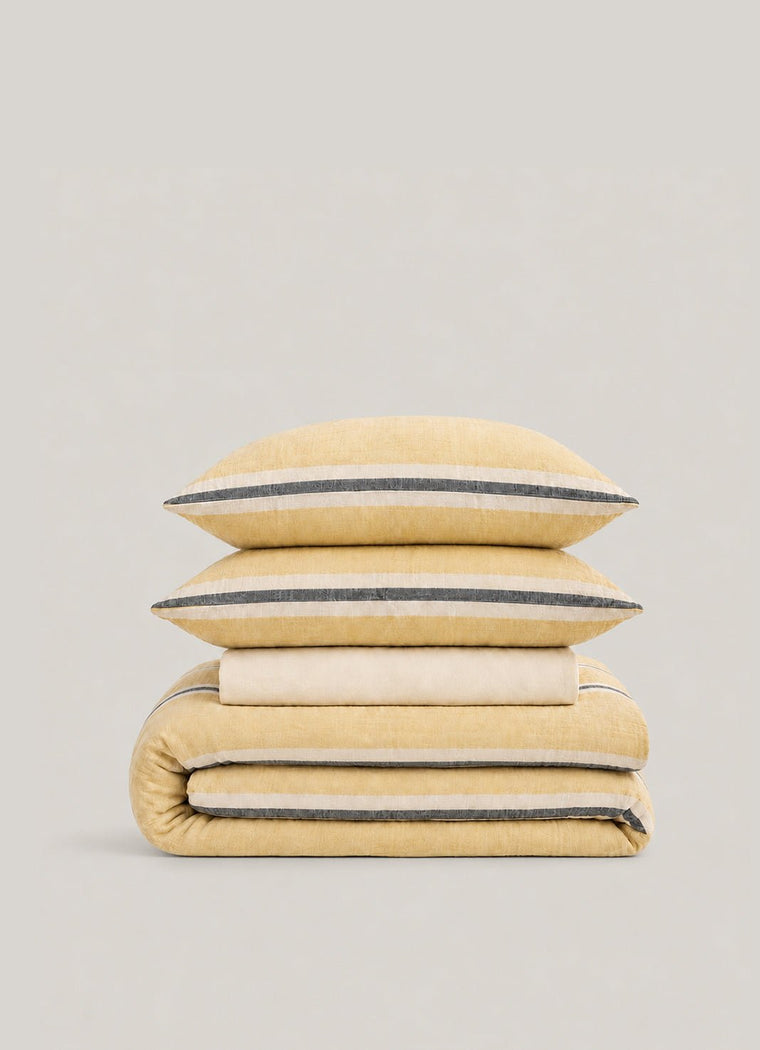
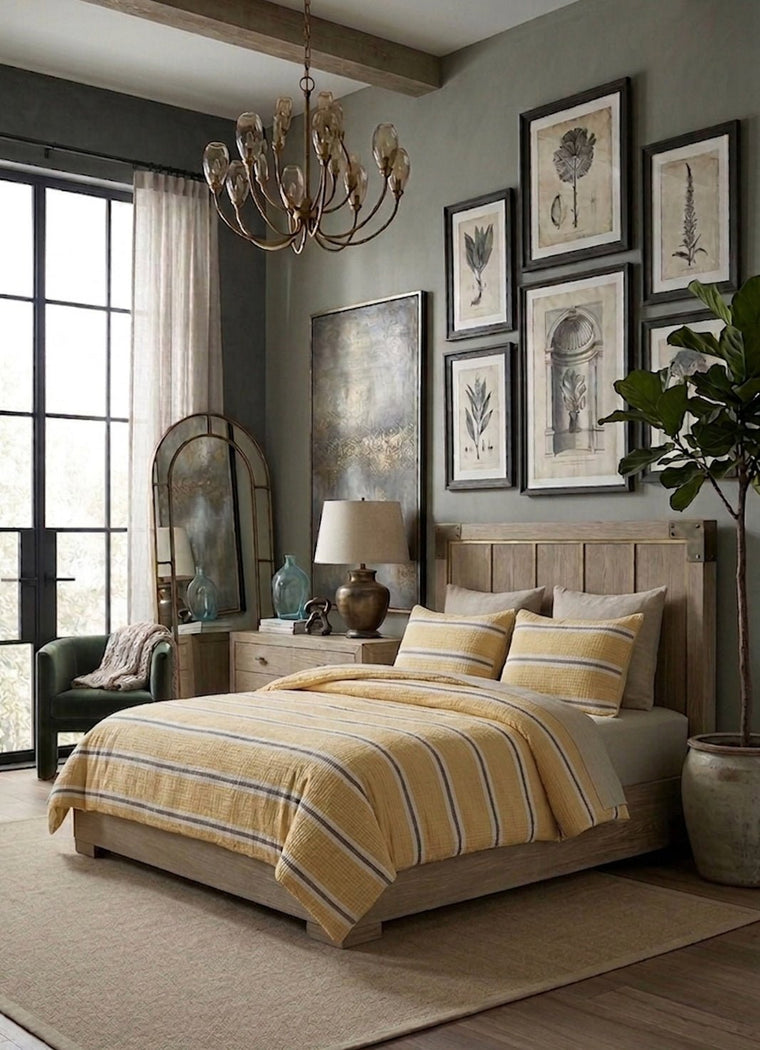
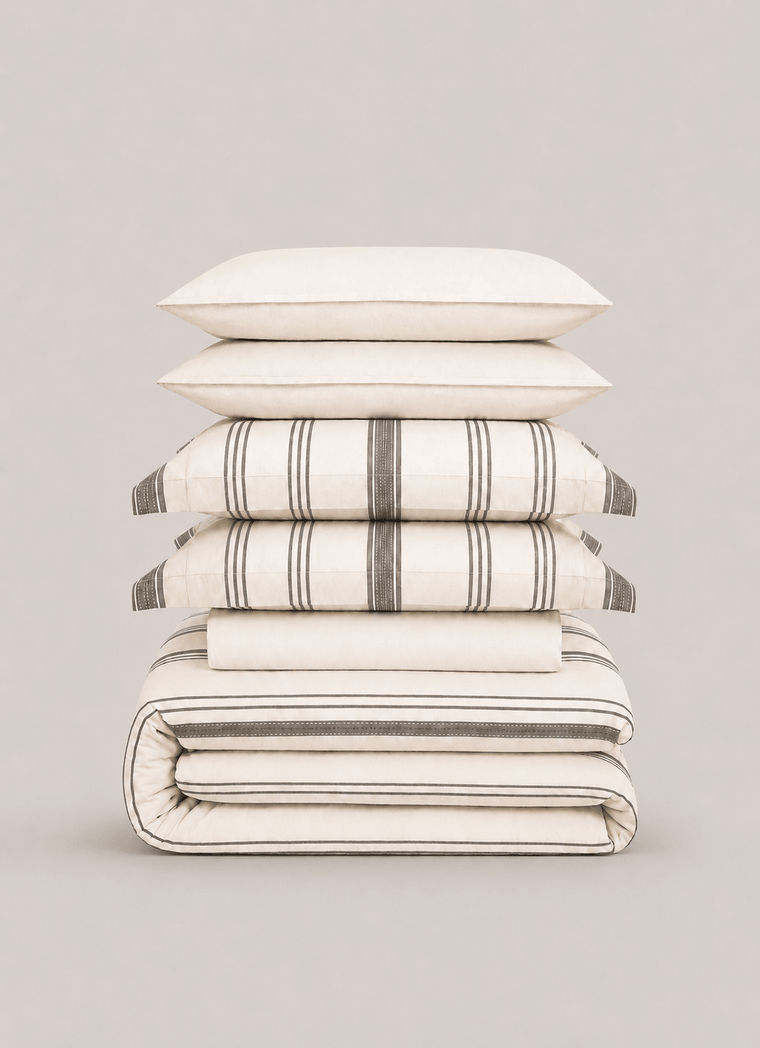
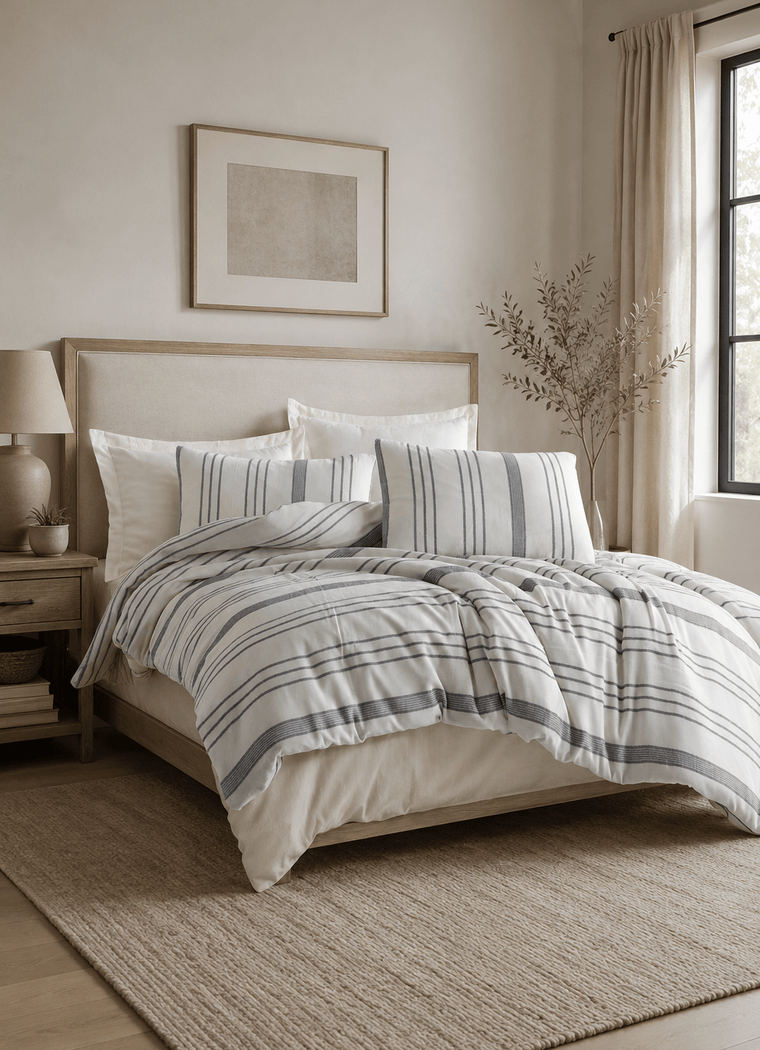
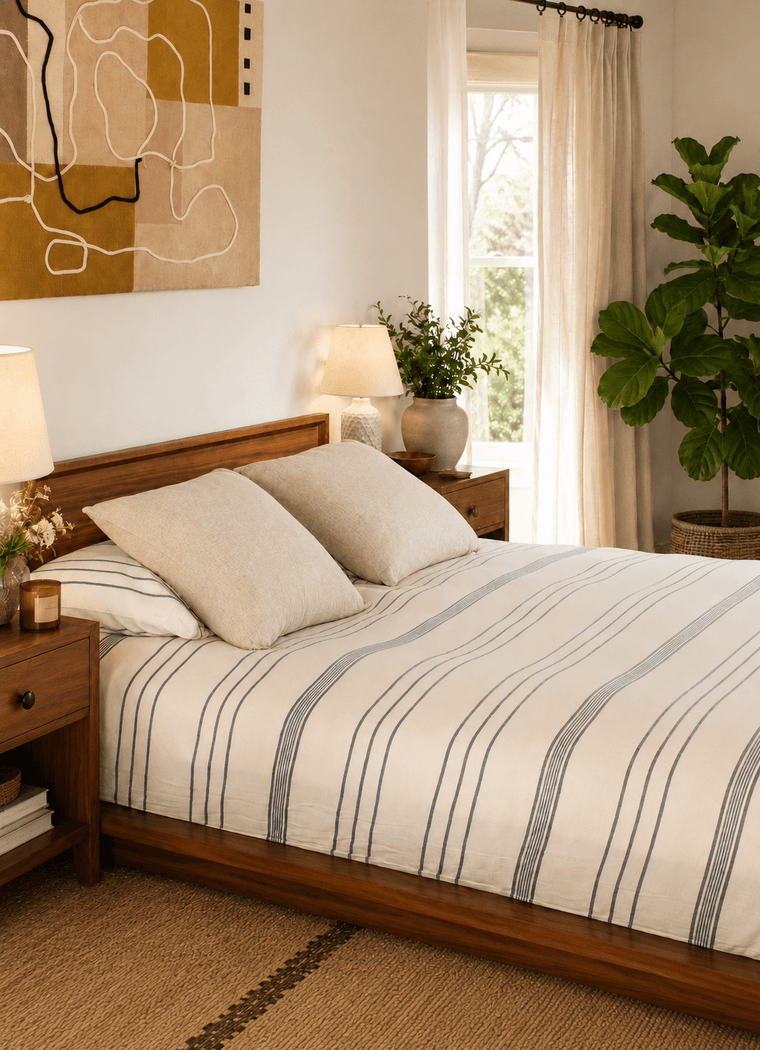
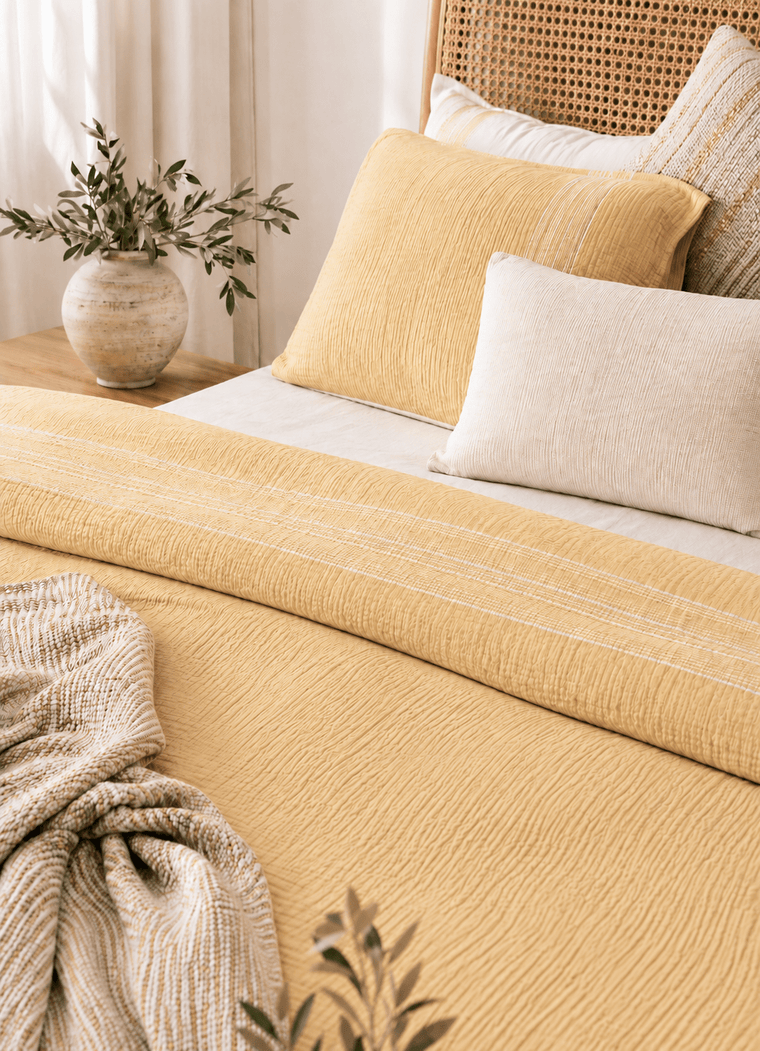
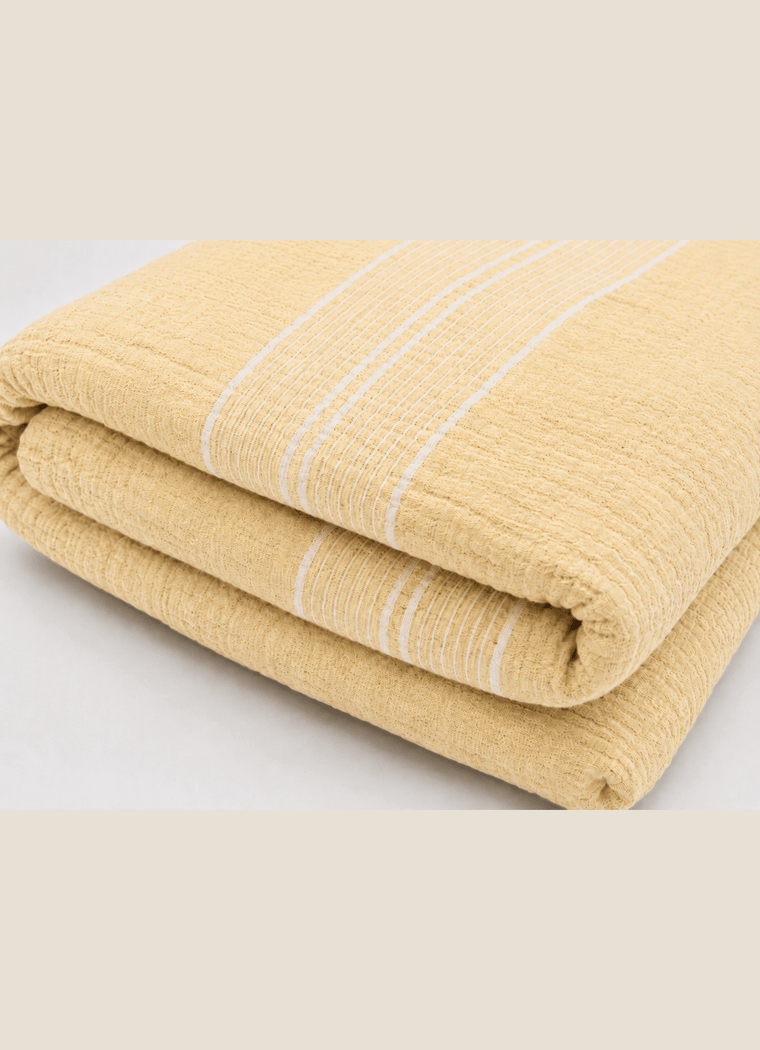
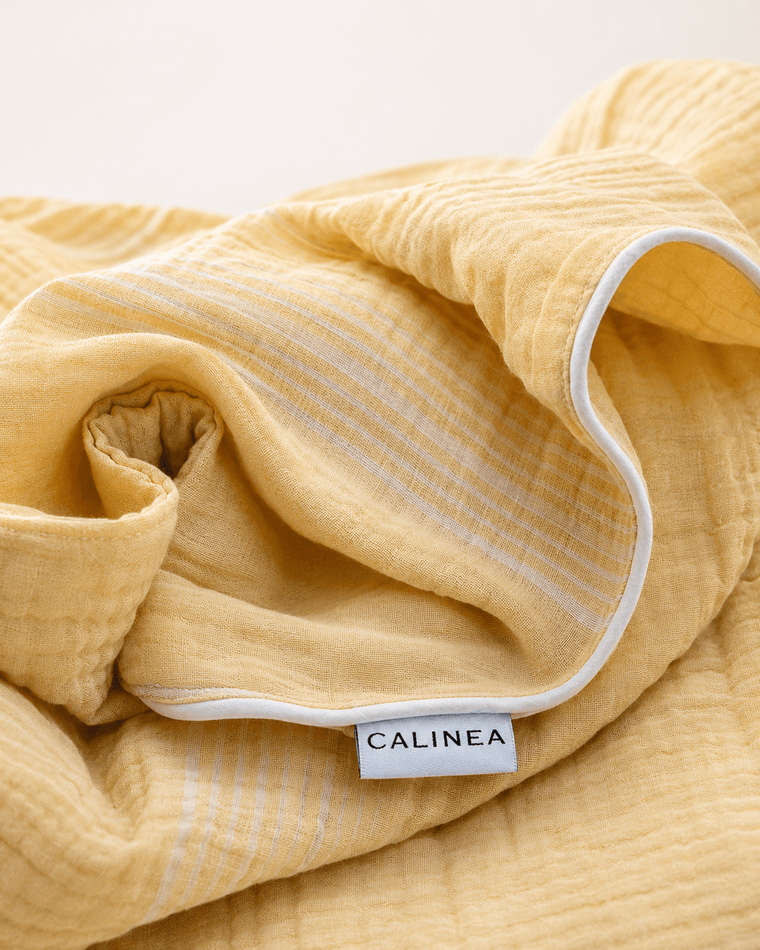
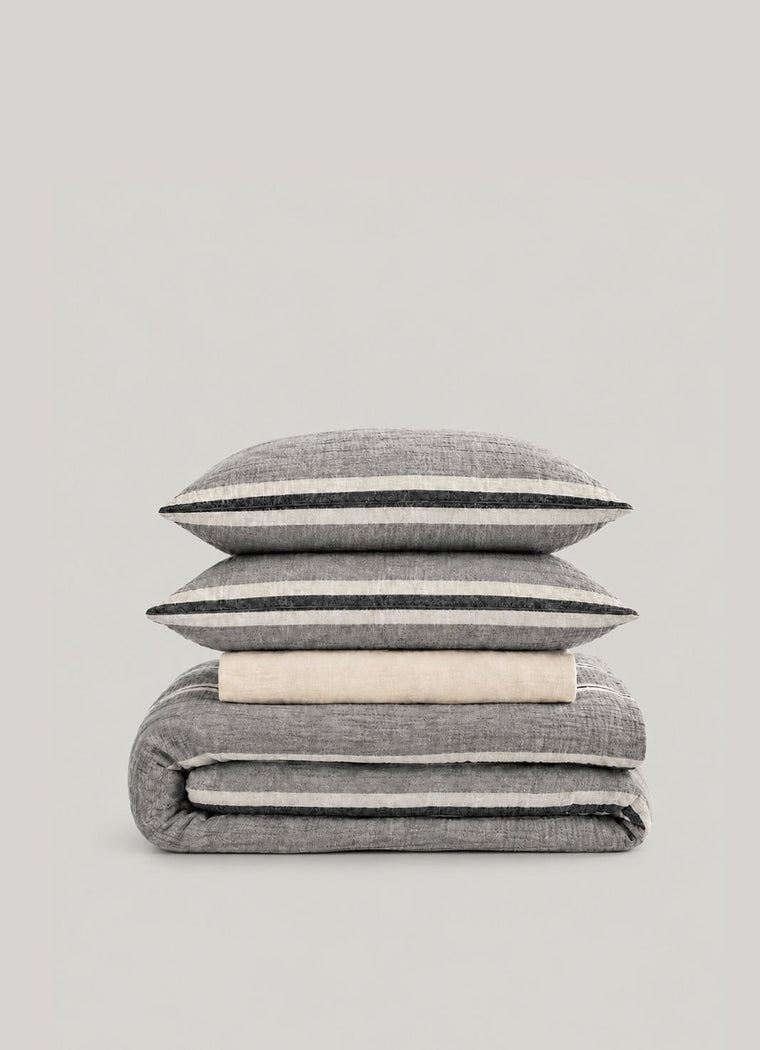
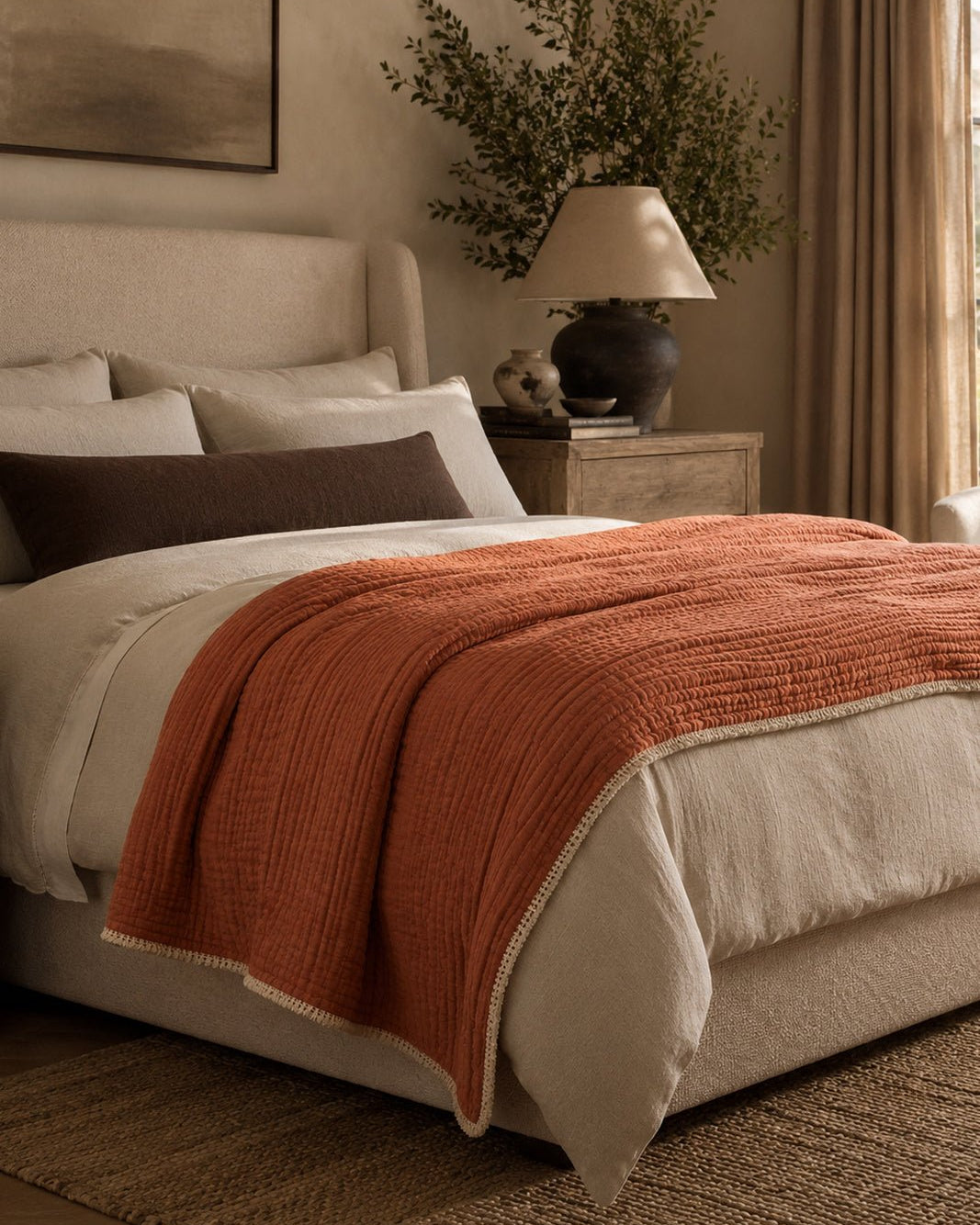
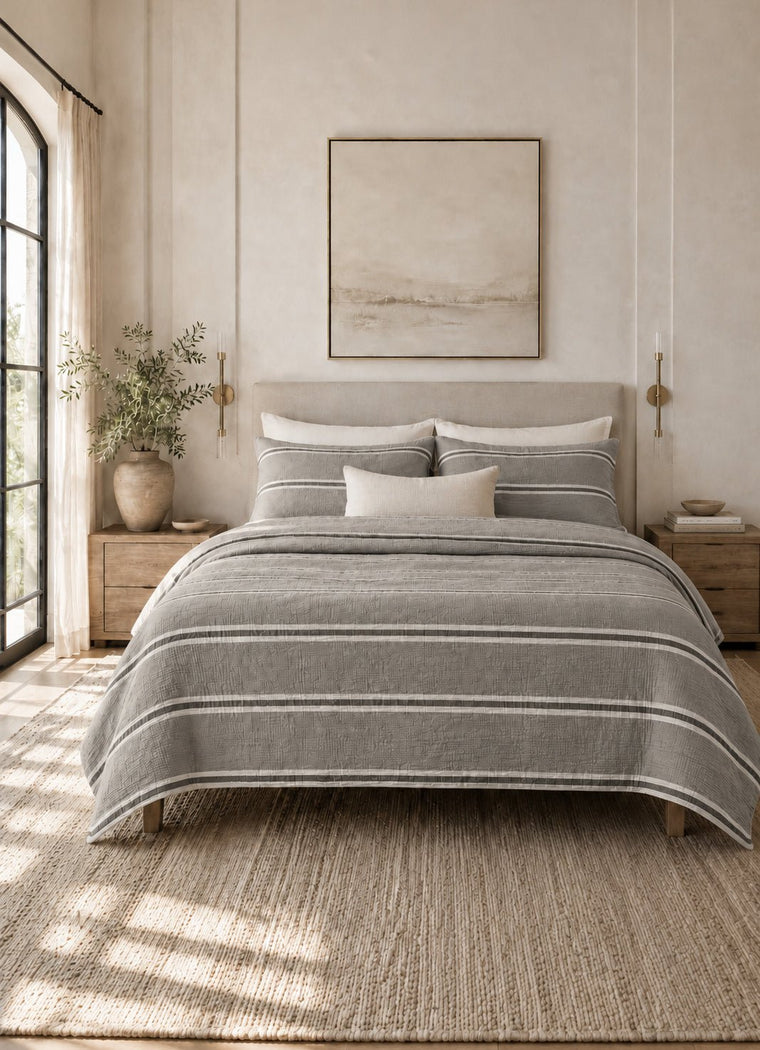
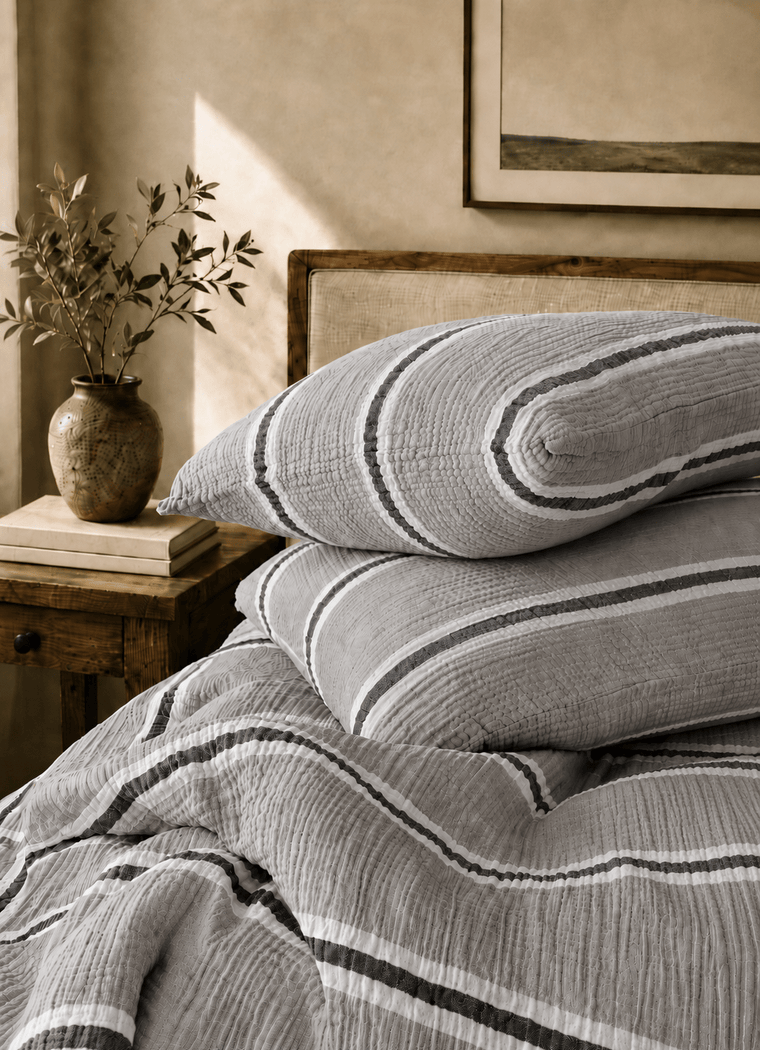
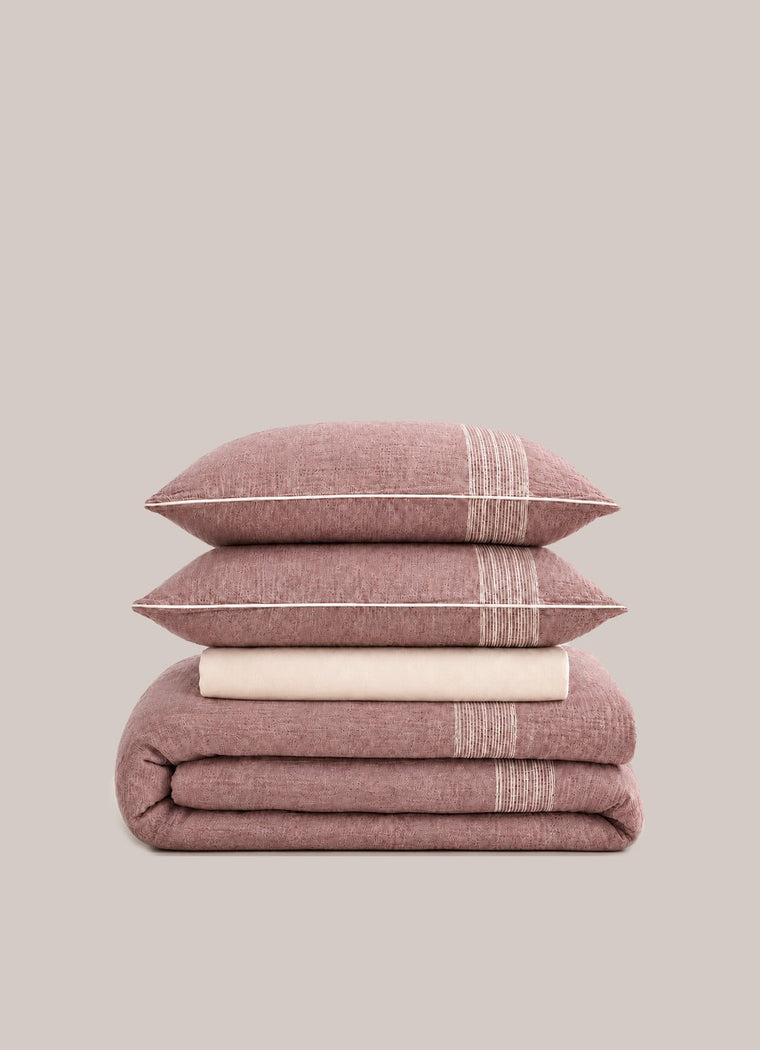
A complete bedding set from Calinea dresses the bed in one order: duvet cover, fitted sheet and pillowcases, cut from the same cloth so nothing has to be matched later. Eleven sets sit here across four fabrics — cotton muslin in two weights, a linen and Turkish cotton blend, and lyocell — all woven in Türkiye in small runs, in Queen and King. Queen sets run from $269 to $339. None of them is built around a top sheet; the duvet cover does that job, and the bed is quicker to make in the morning.
How to choose
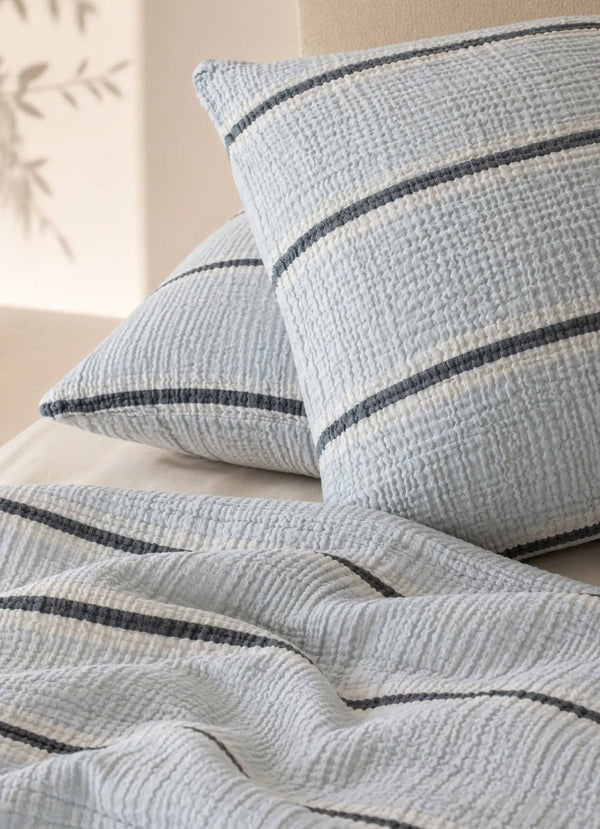
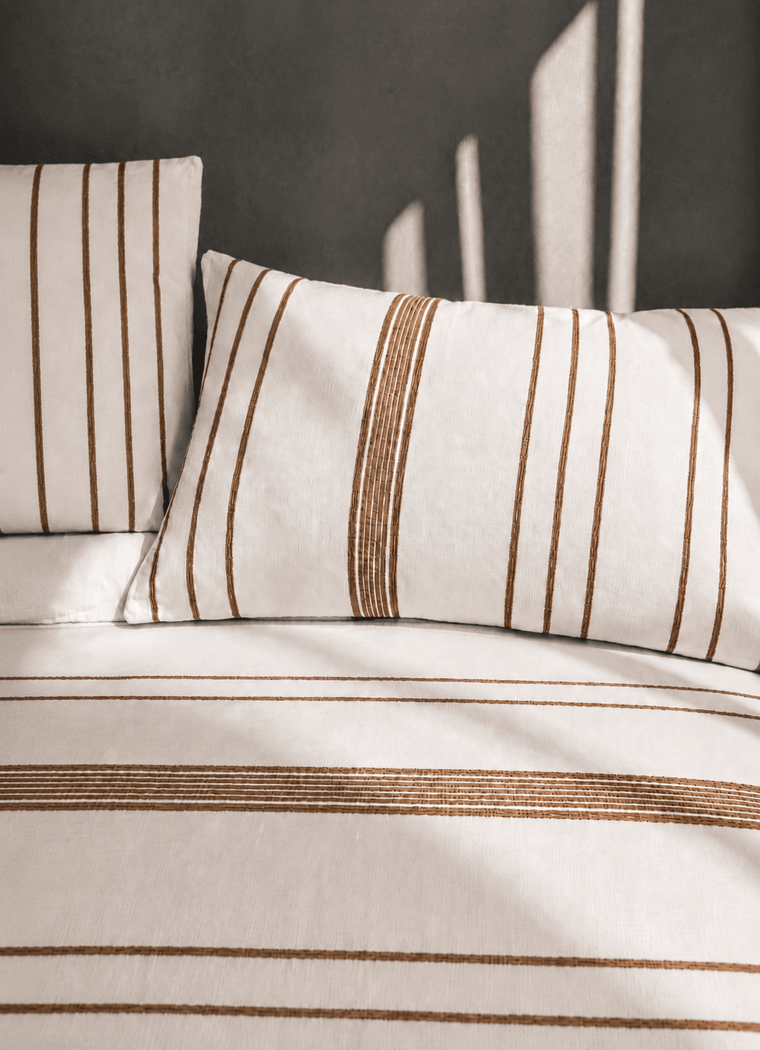
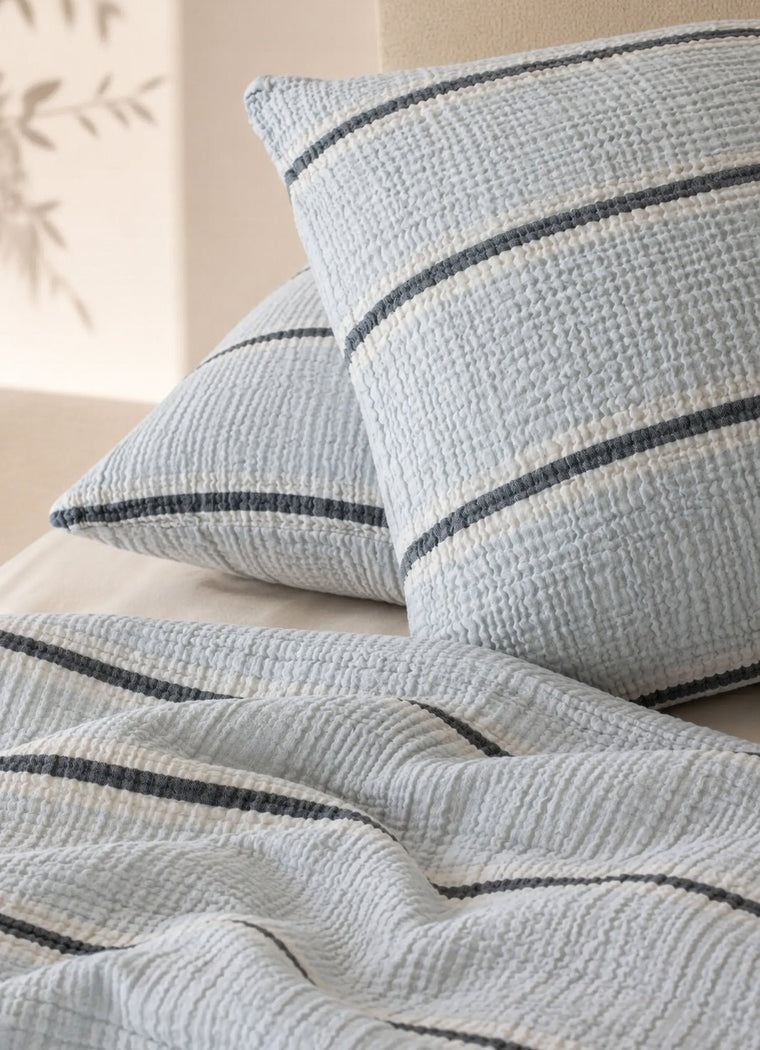
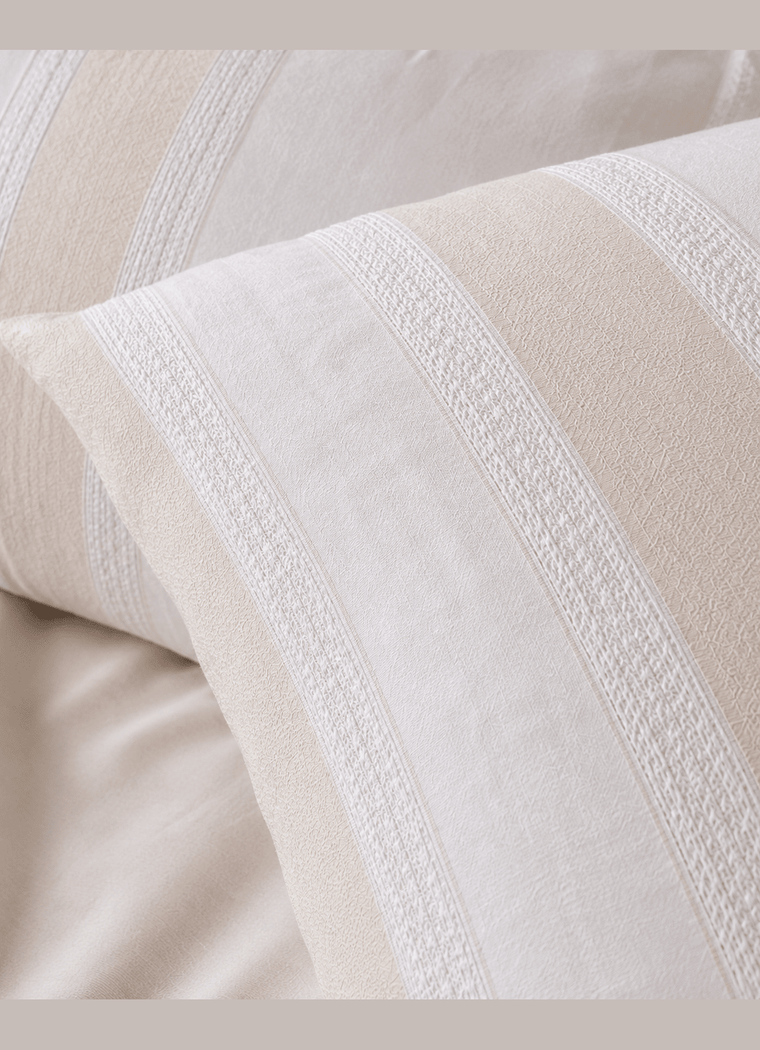
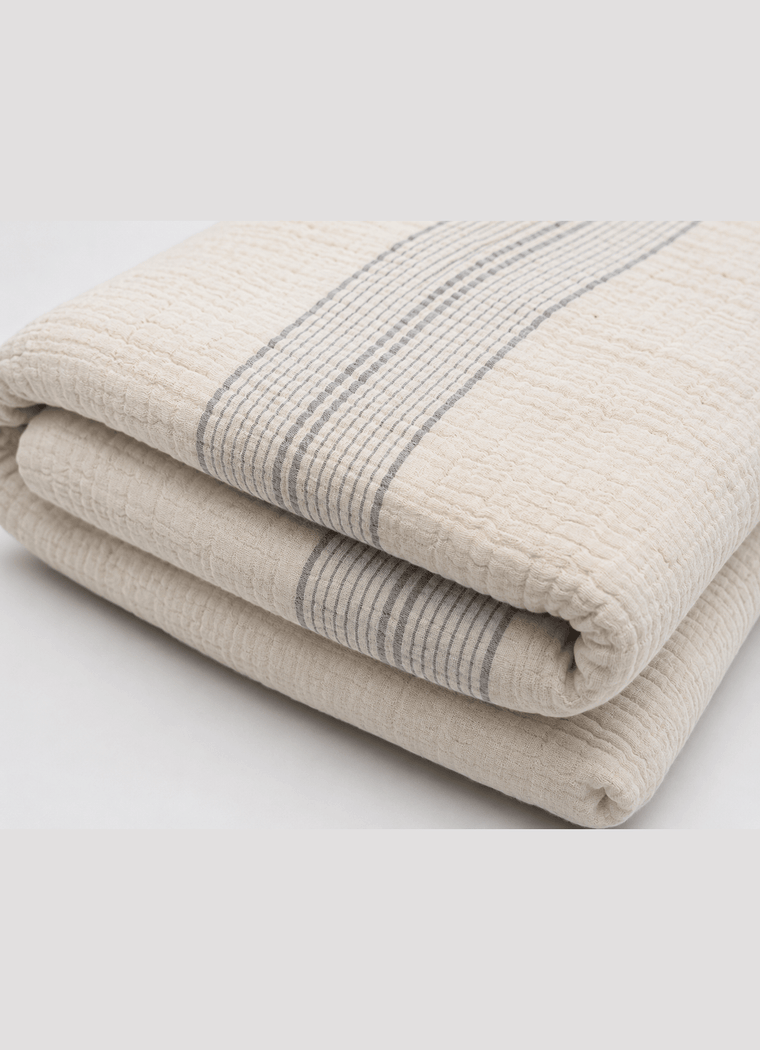
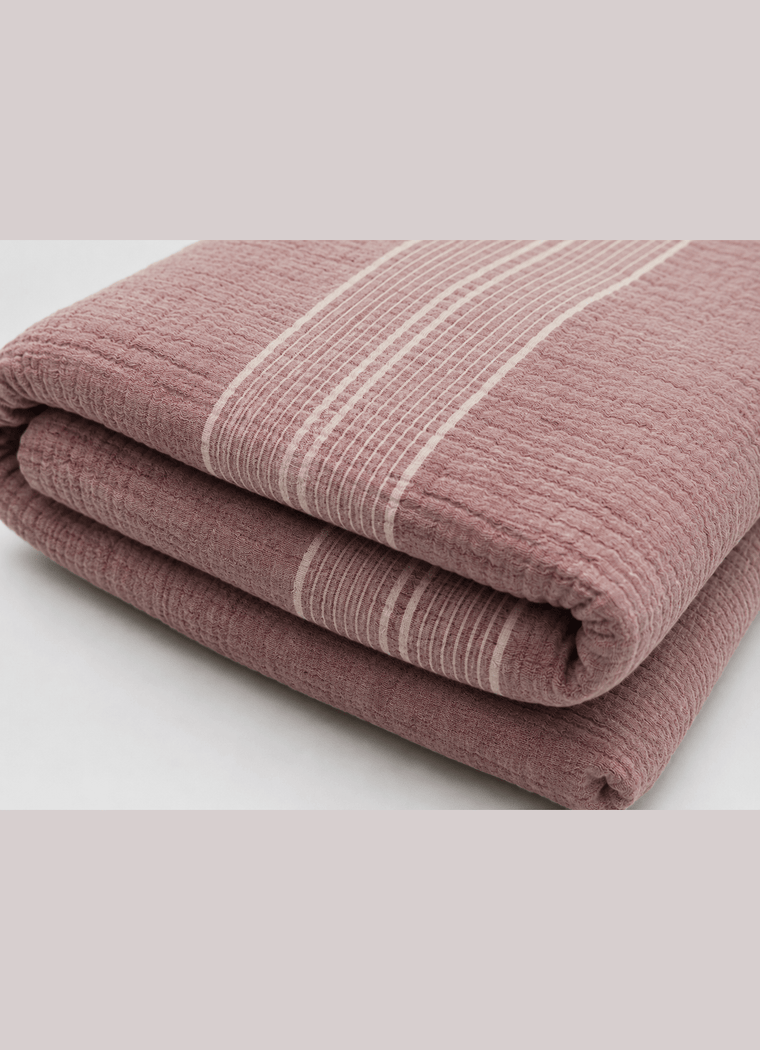
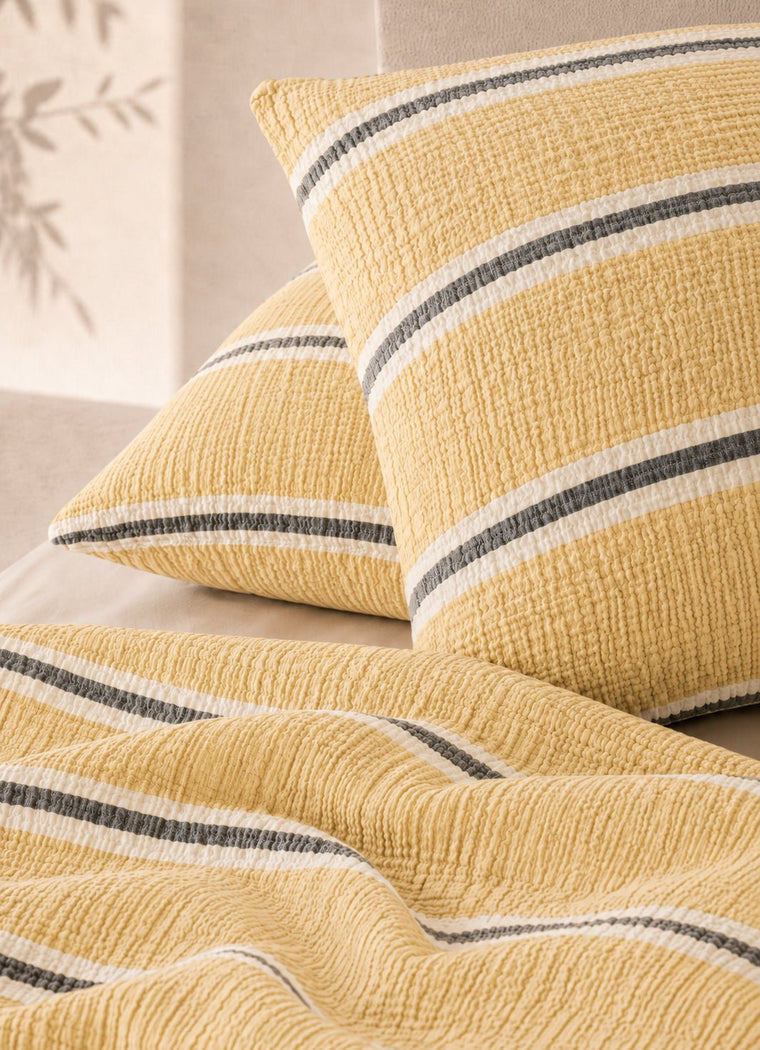
Start with how you sleep, not with color. Hot sleepers and humid bedrooms do best in the muslin sets: cotton gauze layered and pre-washed until it holds air rather than heat. Summerlight is the lighter of the two muslin lines and reads soft and rumpled; Textured Muslin has a little more body and drapes closer to a conventional sheet.
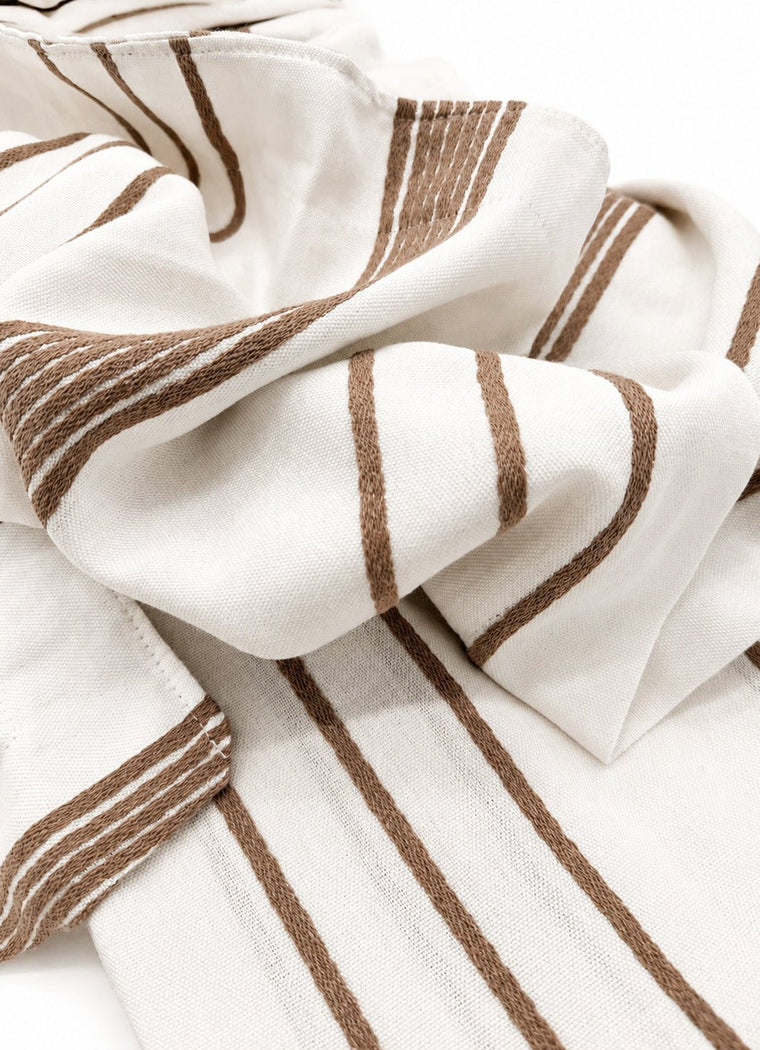
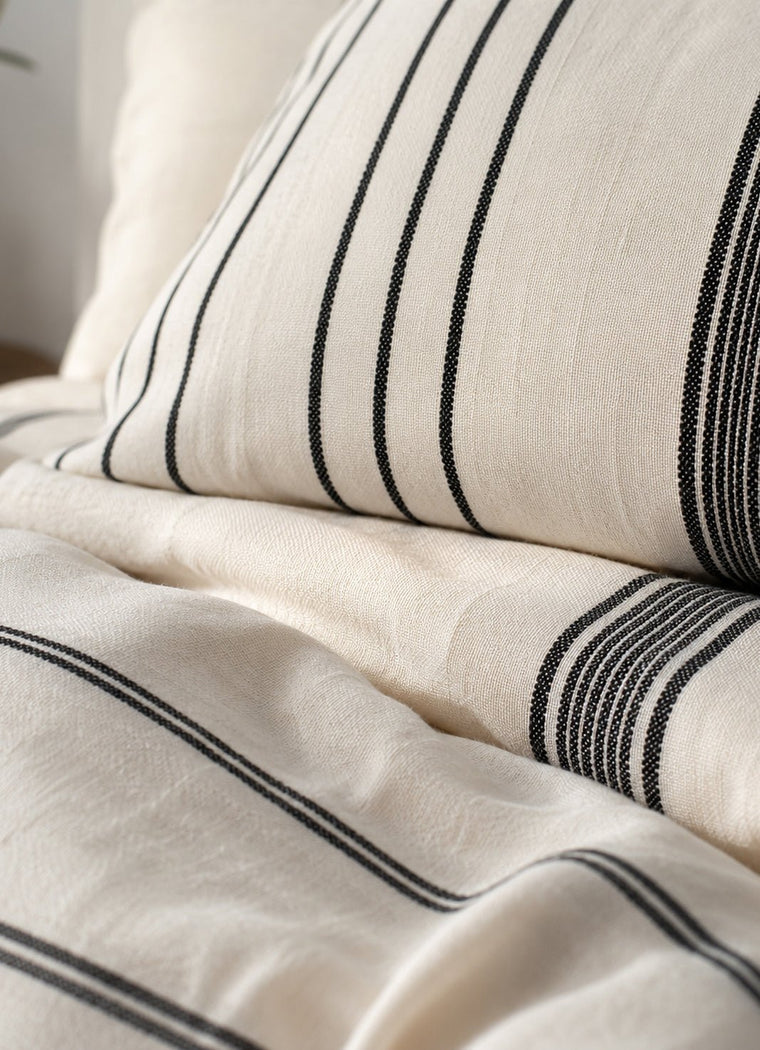
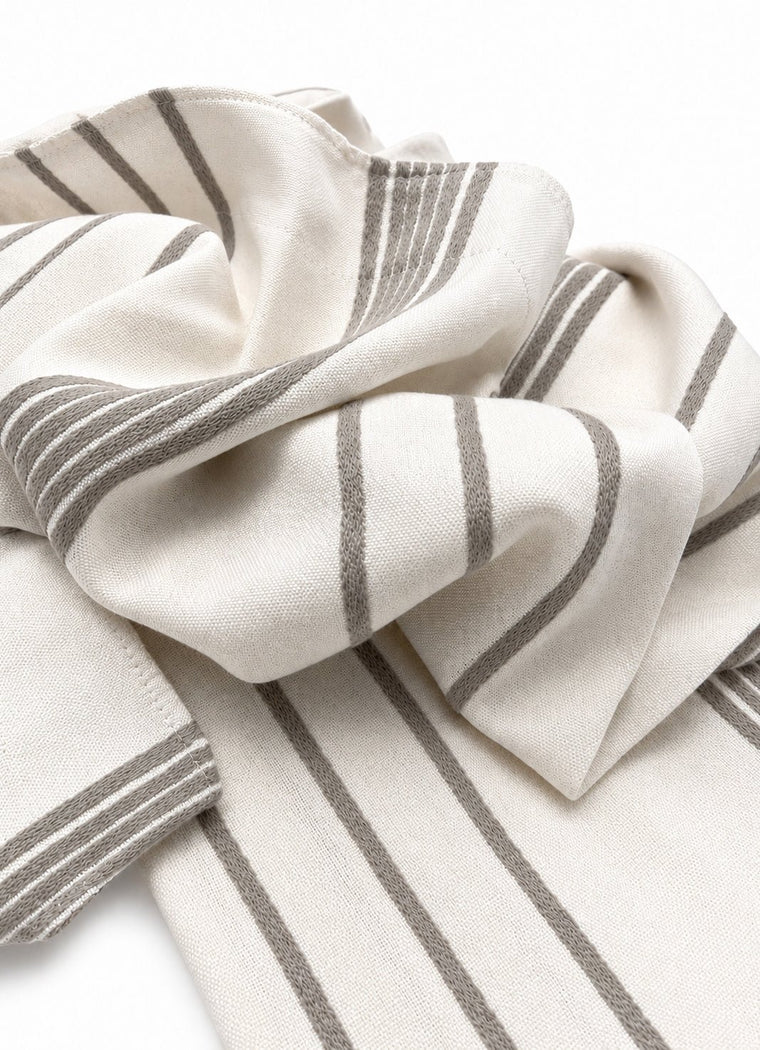
If you like a cool, smooth surface against the skin, the Silken lyocell sets are the ones — plant-derived, sateen-like without the shine, and the best of the four at moving moisture away overnight. For texture and a bed that looks made even when it is not quite, the linen blend sets pair 40% linen with 60% long-staple Turkish cotton, so you get linen's structure without its stiff first month.
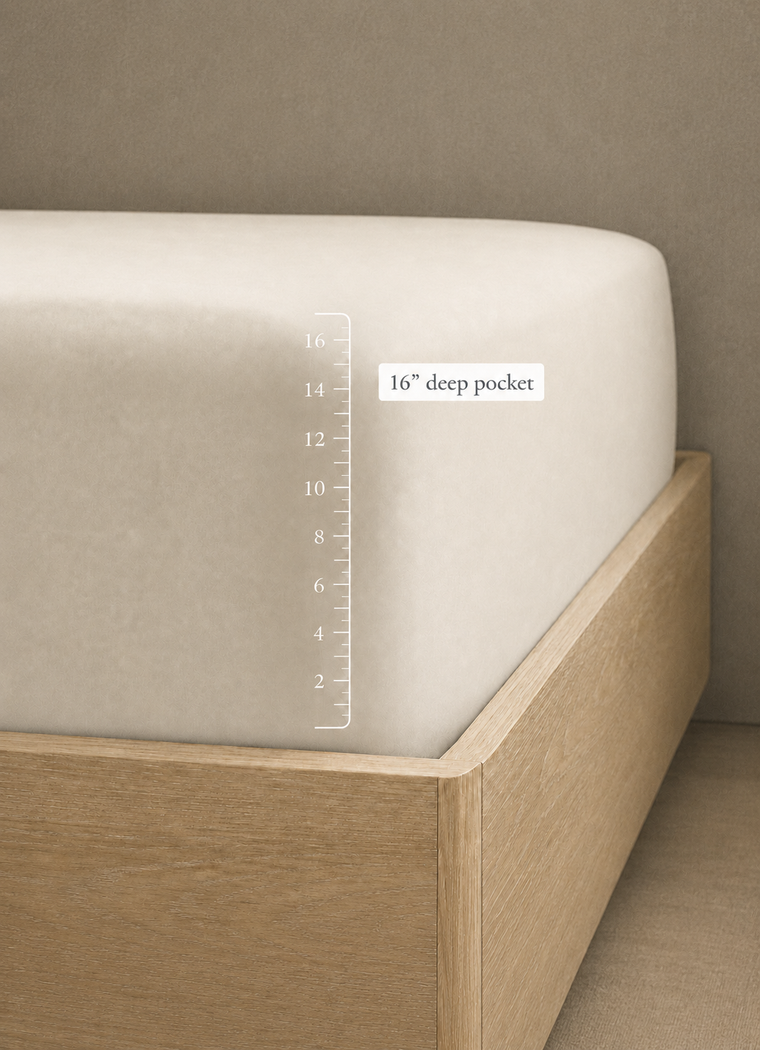
Then size. Every set comes in Queen and King. Standard and pillow-top mattresses fit comfortably with room for a thin topper; if yours is unusually tall, check the fitted-sheet depth listed on the product page before ordering.
What is in a set
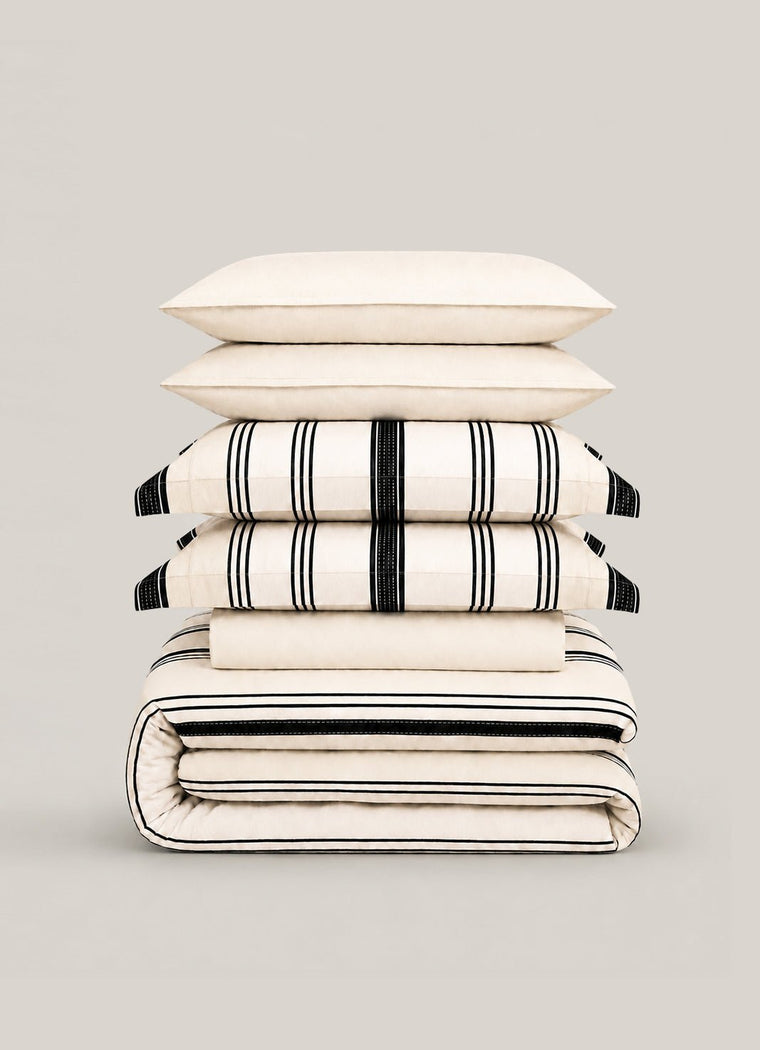
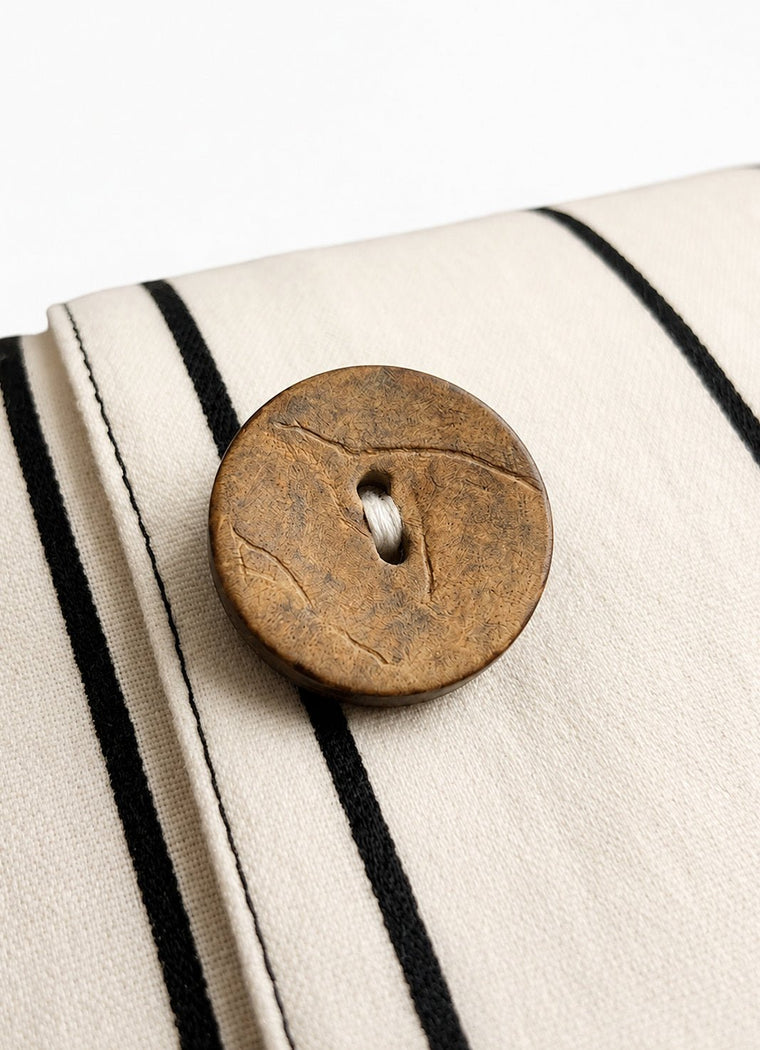
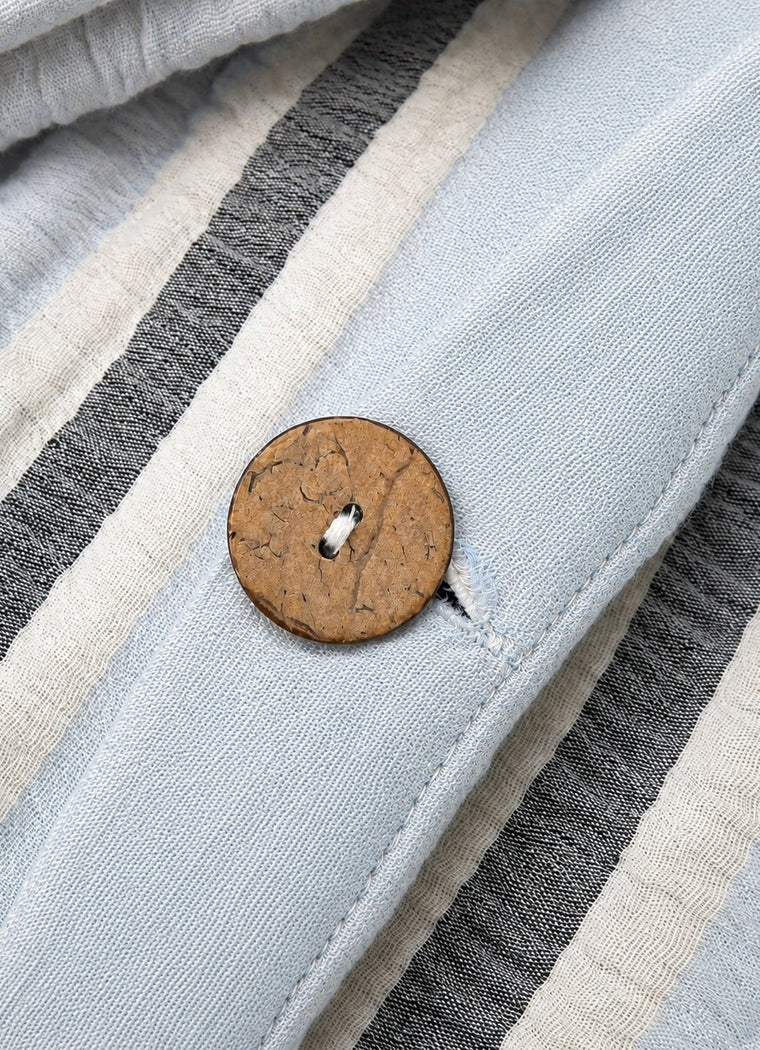
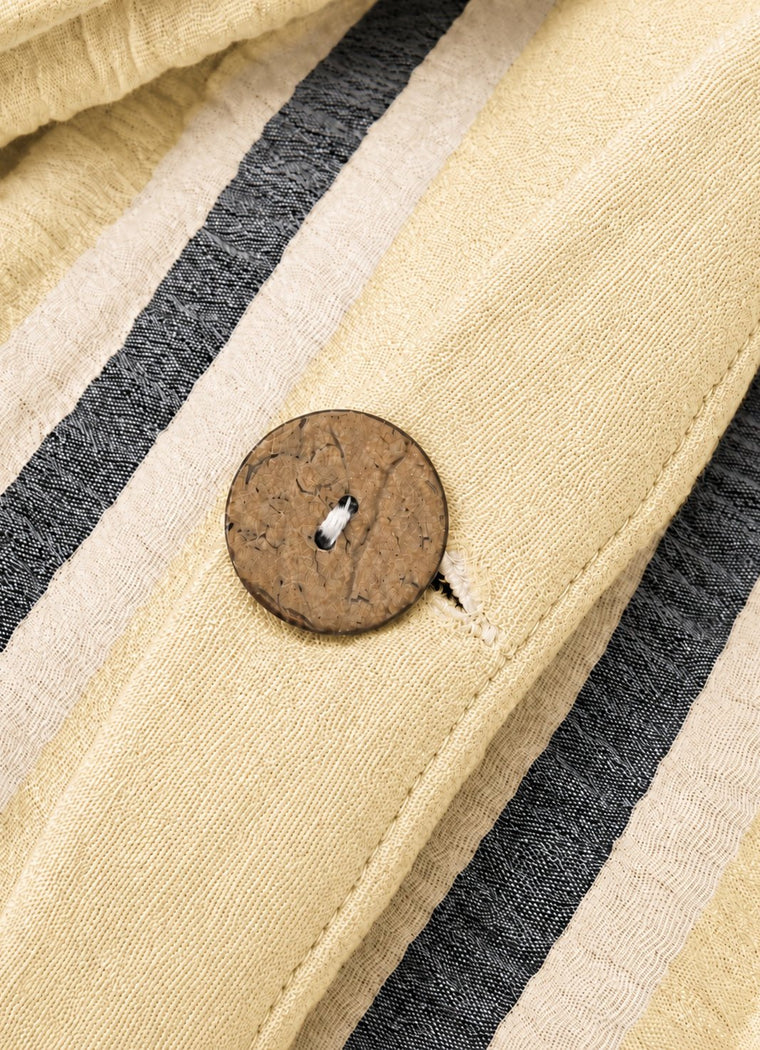
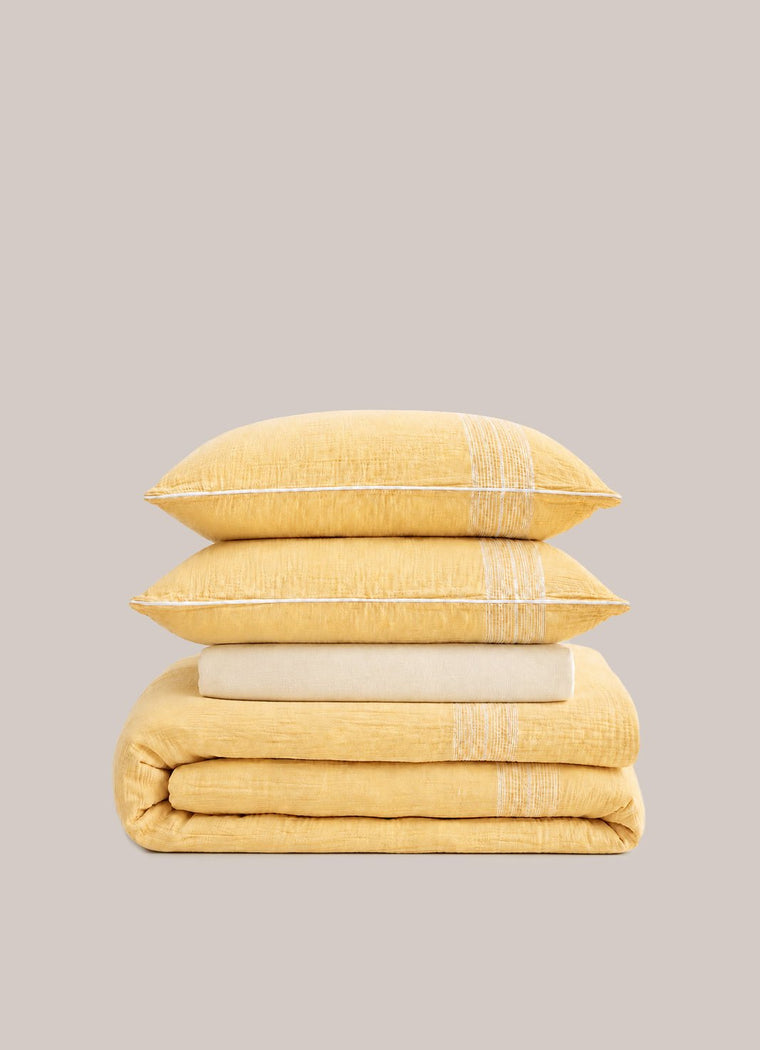
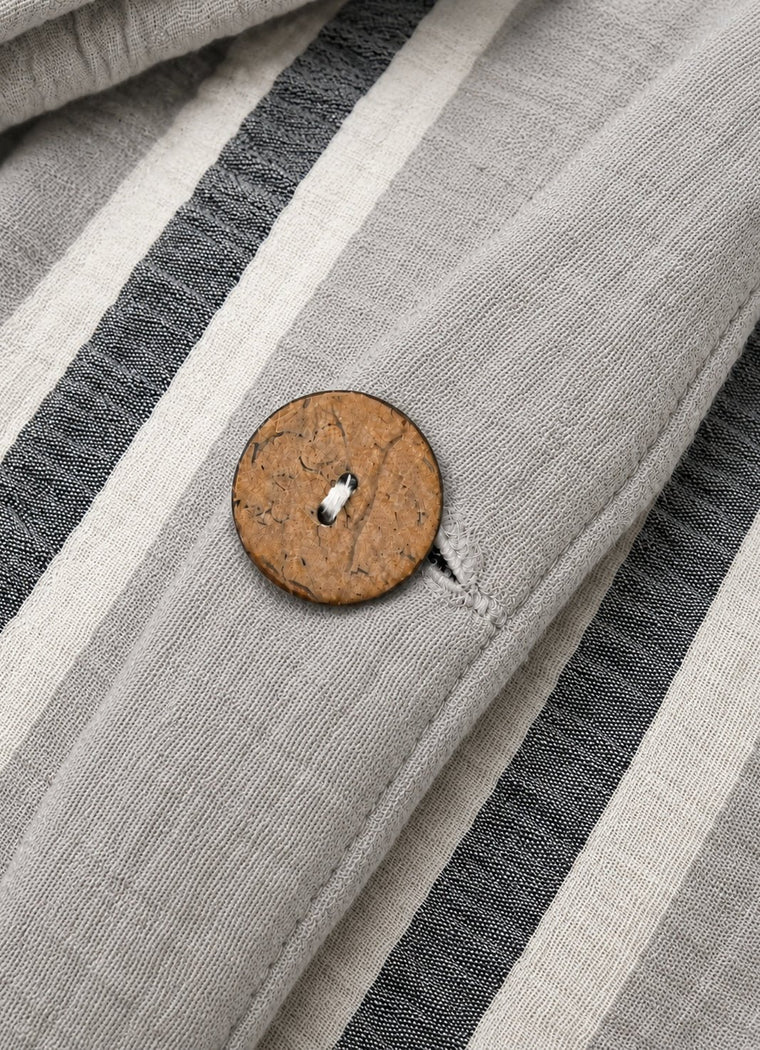
Four-piece sets include a duvet cover, a fitted sheet and two pillowcases; six-piece sets — the Silken lyocell and linen blend lines — include four pillowcases, enough for a bed that carries two pillows a side. The muslin covers close with natural wooden buttons rather than a zipper. No duvet insert is included. Exact contents and dimensions are listed on each product page.
The practical reason to buy a set is that there is no add-on listing to track down afterward. The less practical reason is that a bed dressed in one fabric, one dye lot, looks calmer than a bed assembled over several purchases, and that calm is most of what people mean when they say a bedroom feels finished.
Care
Wash warm or cool on a normal cycle with a mild detergent and no softener, which coats natural fibers and dulls their absorbency. Give the duvet cover its own load when you can; a crowded drum is how corners get pulled out of shape. Tumble dry low and remove slightly damp — muslin and linen both set their texture best on the bed. None of these fabrics need ironing, and the muslin should not be ironed at all. Lyocell prefers cooler water and a lower dryer setting than cotton.
Common questions
Do the sets include a comforter or duvet insert?No. These are cover sets — duvet cover, fitted sheet and pillowcases. Use them over the insert you already own, or with any standard Queen or King duvet.
Why is there no flat sheet?A duvet cover is washed as often as a sheet would be, so the flat sheet mostly adds a layer to fight with at night and a layer to fold in the morning. We explain the decision in full on the journal.
Which set is best for hot sleepers?Muslin first, lyocell a close second. Muslin sheds heat through its open weave; lyocell stays cool to the touch and wicks. The linen blend is breathable too, but it is the warmest-feeling of the three in high summer.
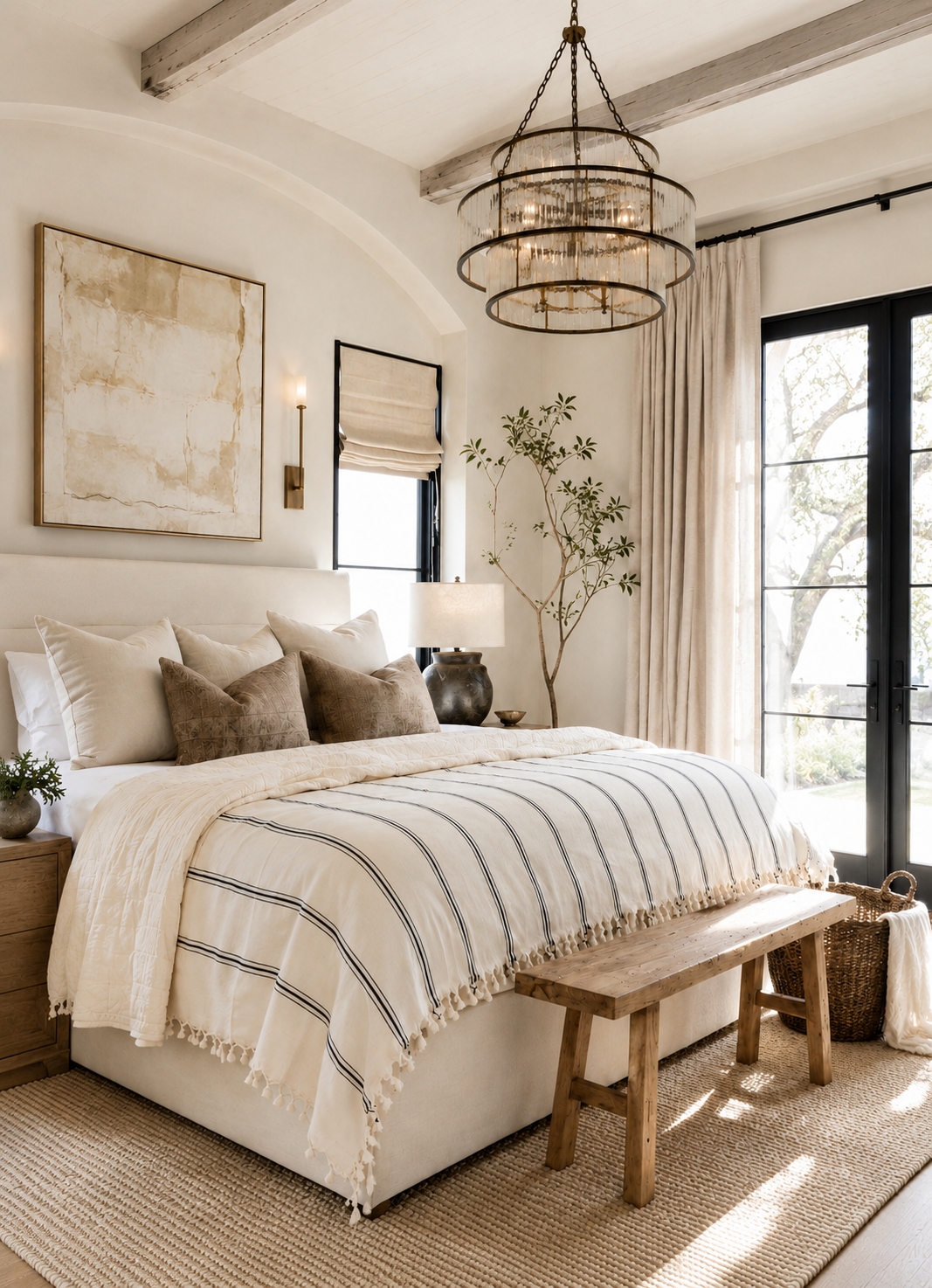
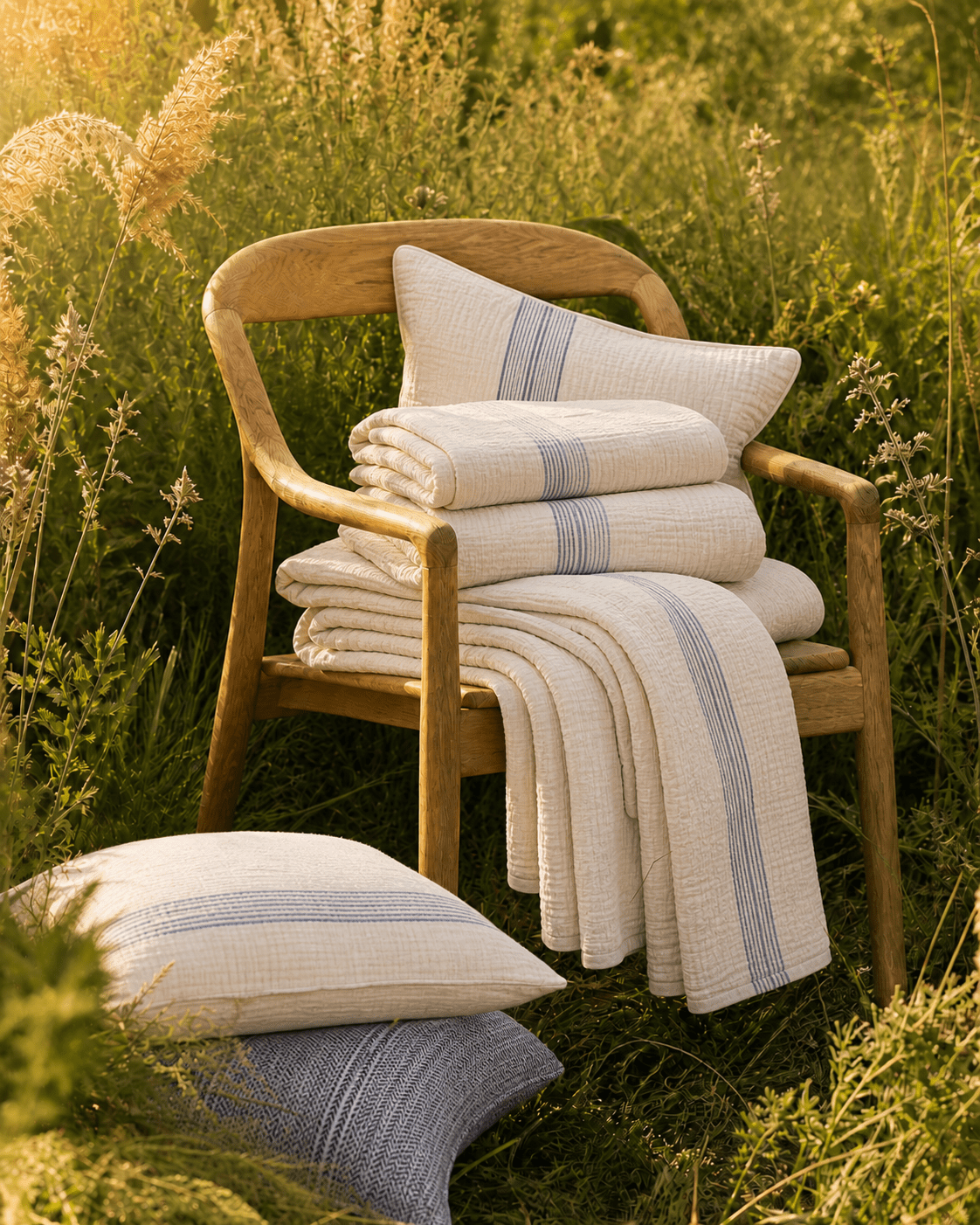
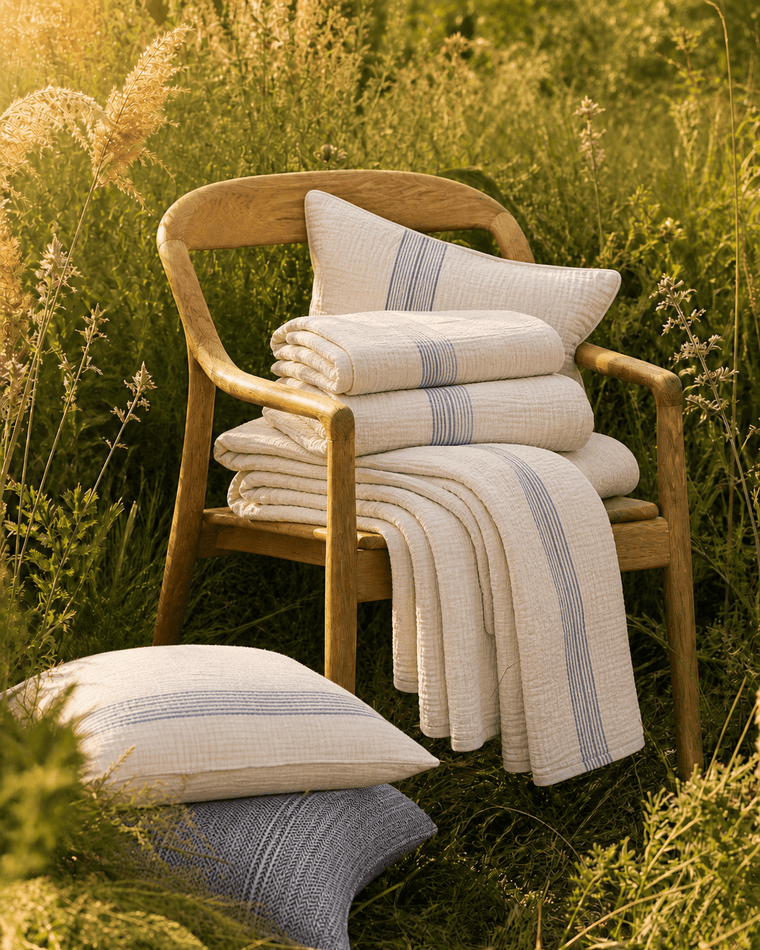
Can I mix a set with a coverlet or throw?That is how most of our customers layer. Colors across bedding, coverlets and throws are chosen to sit together, so a set bought now and a coverlet bought next season will still read as one bed.
Everything for the bed sits together in Bedding. For a single top layer in the same spirit, see Coverlets & Quilts.
Further reading
If the fabric choice is still open, our guide to bedding materials compares muslin, linen, cotton and lyocell in one place, and the hot-sleeper piece goes deeper on temperature. Washing guidance for all four fabrics is in how to care for natural bedding.