


How to Wash and Care for Natural Fiber Bedding
The Basics That Apply to All Natural Fibers
Wash in cold or warm water, not hot. Hot water can shrink fibers, fade colors, and break down weave structure over time. Cold or warm (30–40°C / 85–105°F) is gentler and more than sufficient to clean bedding that hasn't been soiled.
Skip the fabric softener. This surprises people, but fabric softener coats natural fibers with a waxy residue that reduces breathability and actually makes sheets feel less soft over repeated use. Natural fibers soften on their own with washing they don't need help.
Don't overload the machine. Bedding needs room to move in the drum. An overloaded wash leaves areas unwashed and puts stress on seams and hems.
Tumble dry low or line dry. High heat is the fastest way to shorten the life of natural fiber bedding. Low heat or air drying preserves fiber length and elasticity.
Linen-Specific Care
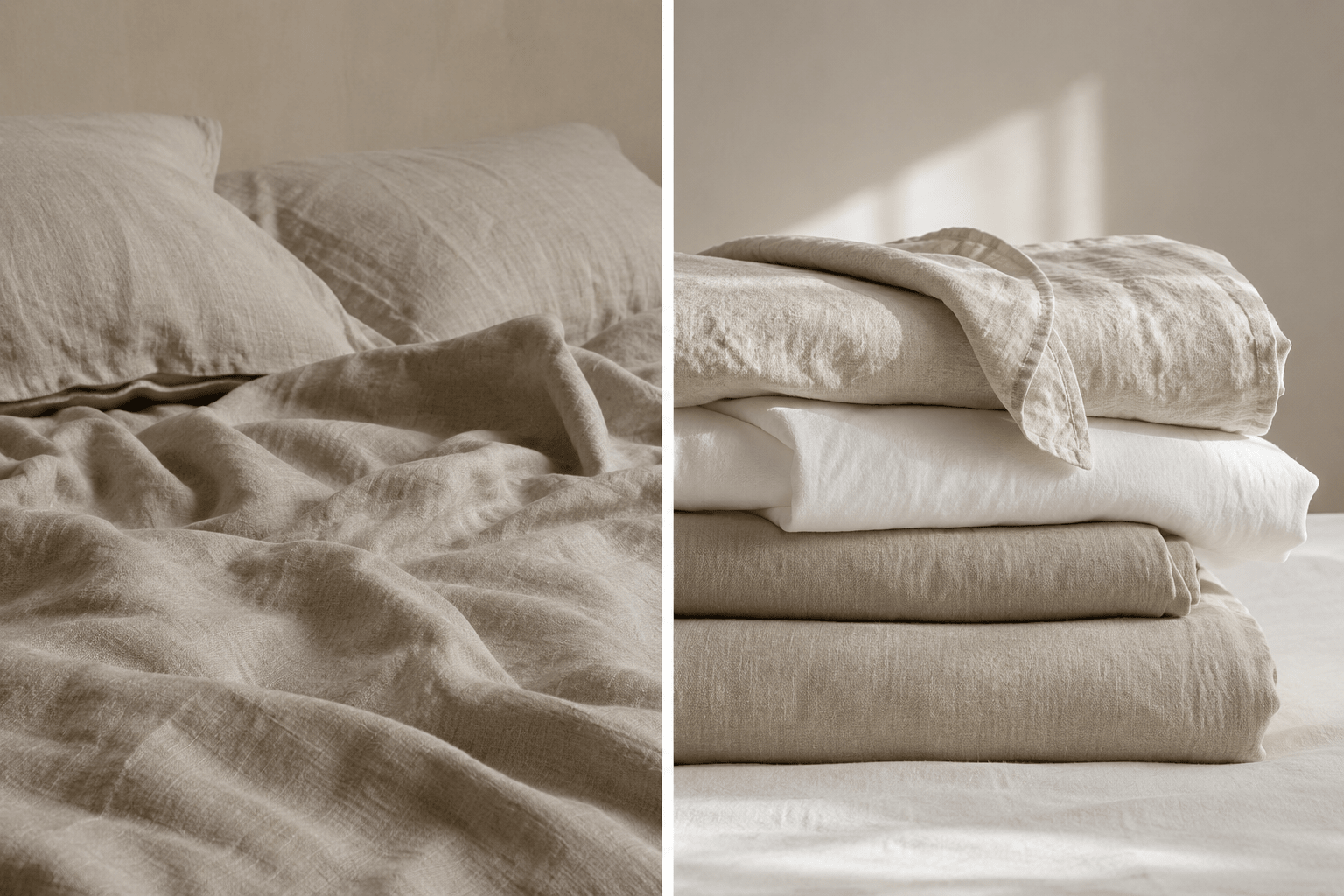
Linen wrinkles easily and that's perfectly normal it's part of the texture. If you want a smoother look, remove from the dryer while slightly damp and smooth flat. Avoid wringing linen when wet, as this can stress the weave.
Linen also gets softer every time you wash it. The first few washes may feel stiff this is expected. By wash five or six, it will have relaxed significantly.
Muslin-Specific Care
Muslin is the most forgiving of natural fibers to wash. It's lightweight, dries quickly, and can handle a standard machine cycle well. Wash inside out to preserve the outer surface, and shake out before drying to reduce wrinkles.
Lyocell-Specific Care
Lyocell (sometimes sold as Tencel) is made from wood pulp and has a silky, smooth hand. It's moisture wicking and temperature-regulating, but it's also slightly more delicate when wet. Wash on a gentle cycle, avoid twisting or wringing, and lay flat or tumble dry on very low heat.
How Often to Wash Bedding
Sheets: every 1–2 weeks. Duvet covers: every 2–4 weeks. Pillowcases: weekly, or more often if you use hair or skin products at night. Regular washing actually improves natural fiber bedding over time so don't be afraid to use it.
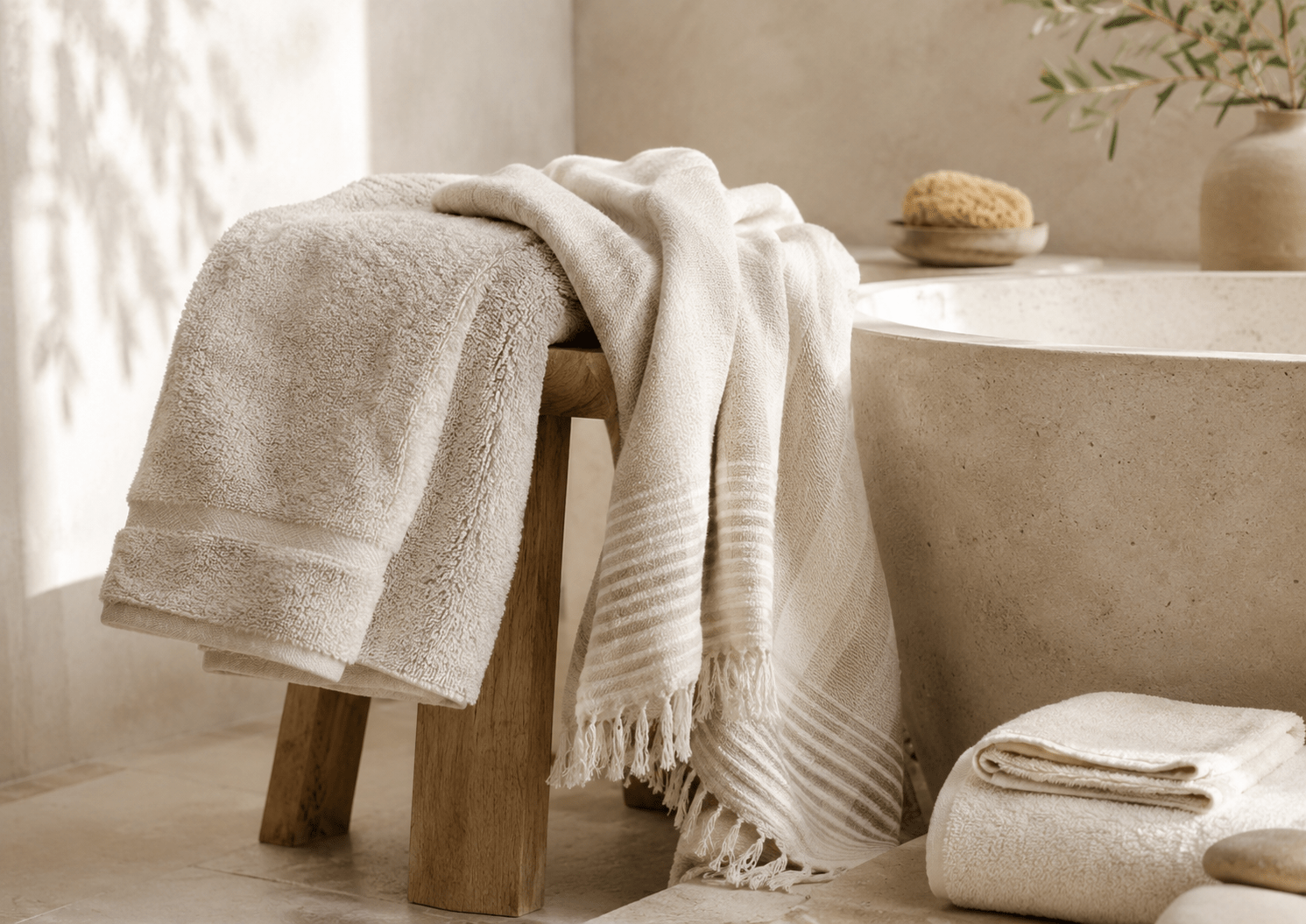
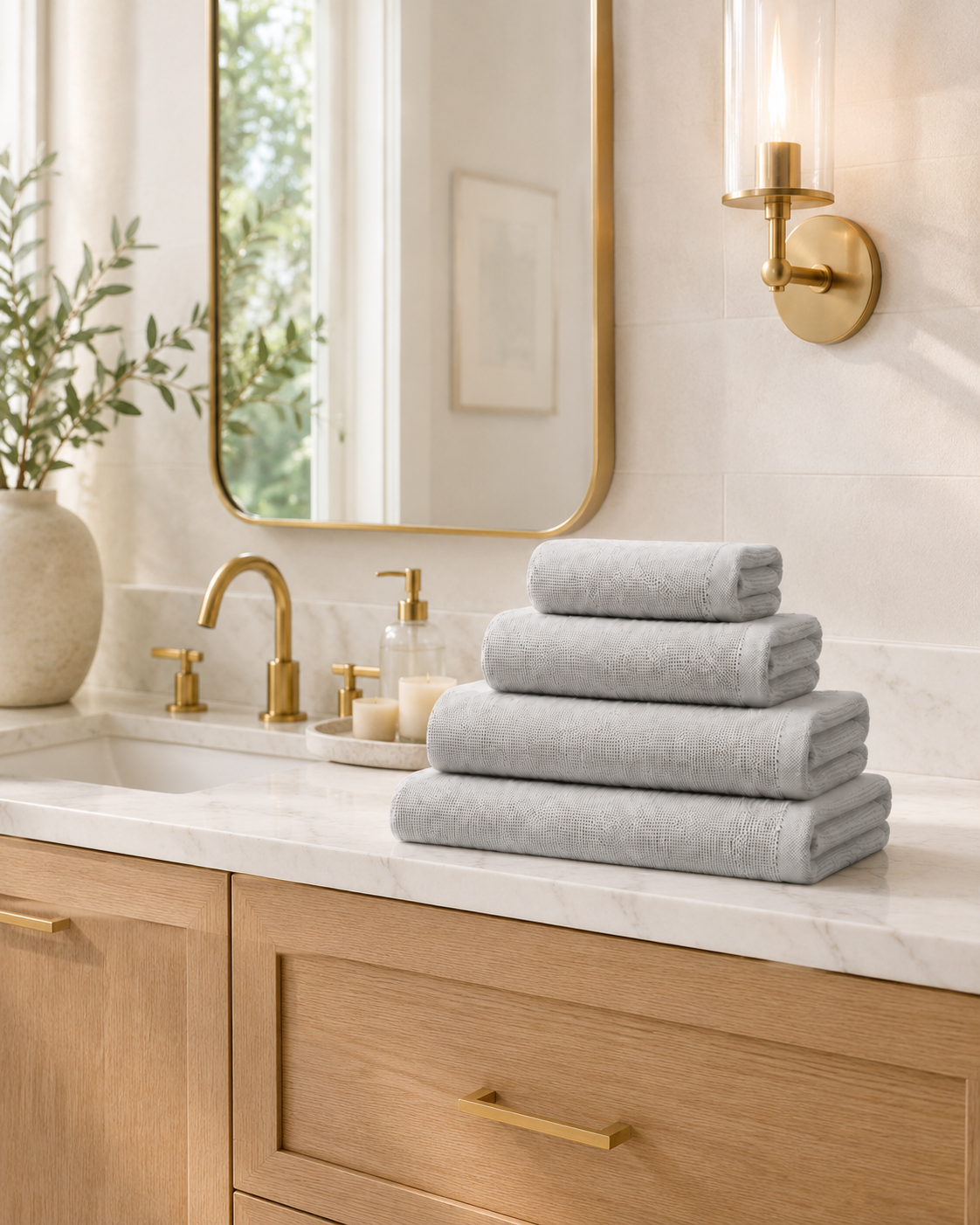
Shop Calinea bedding and bath towels natural fiber pieces made to get better the longer you keep them.