


Linen vs Cotton Sheets: Which Is Better for Sleep?
The Key Differences
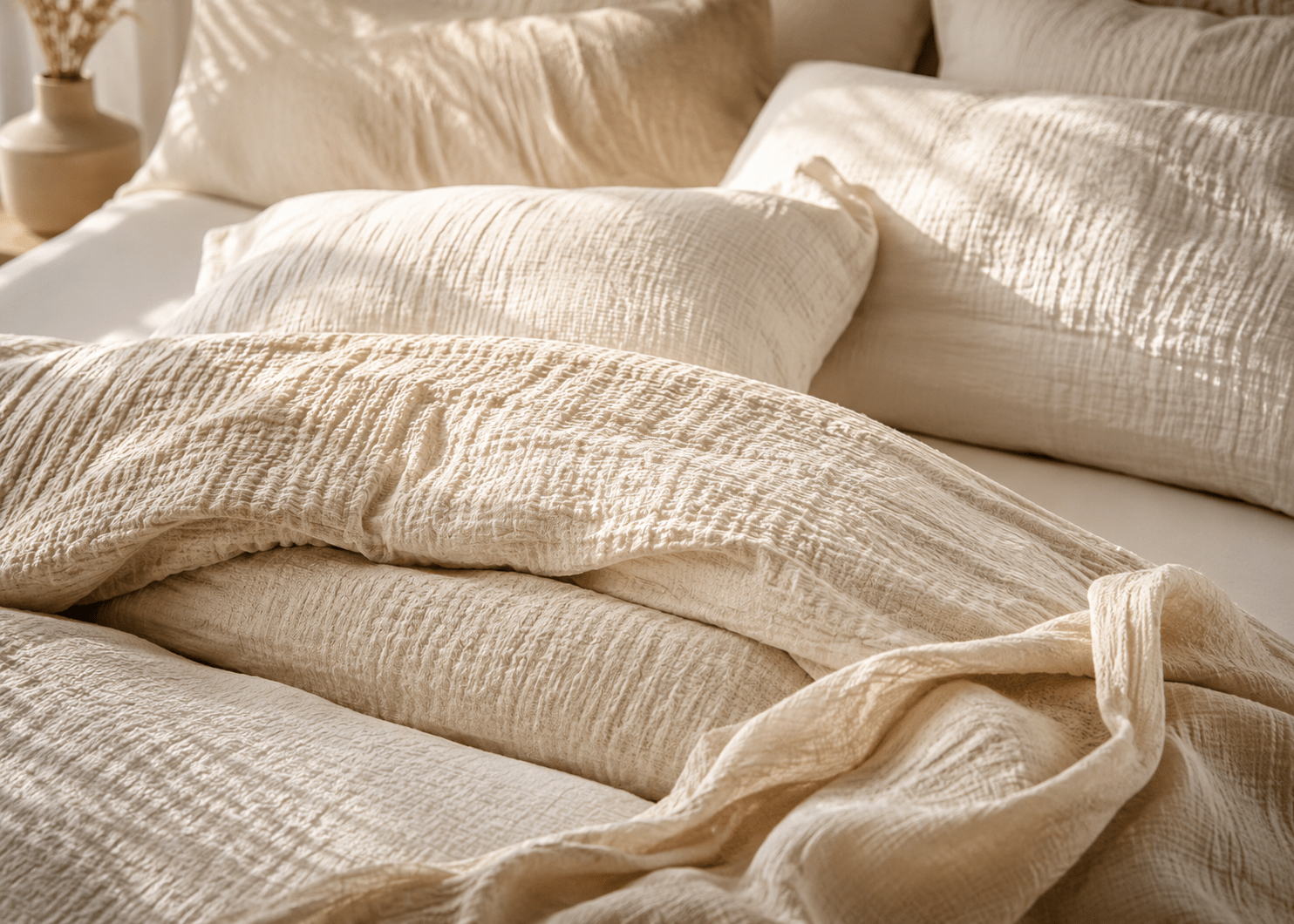
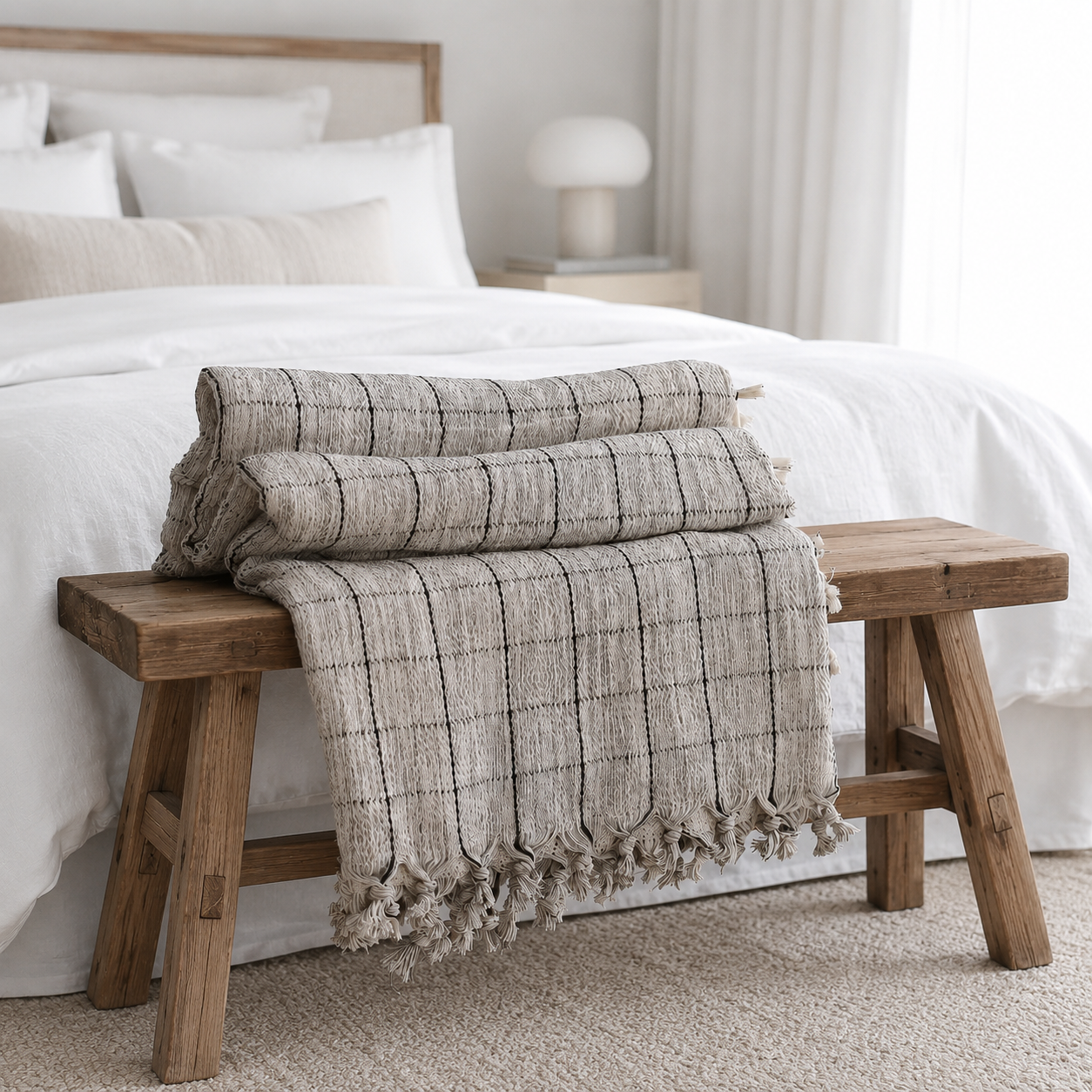
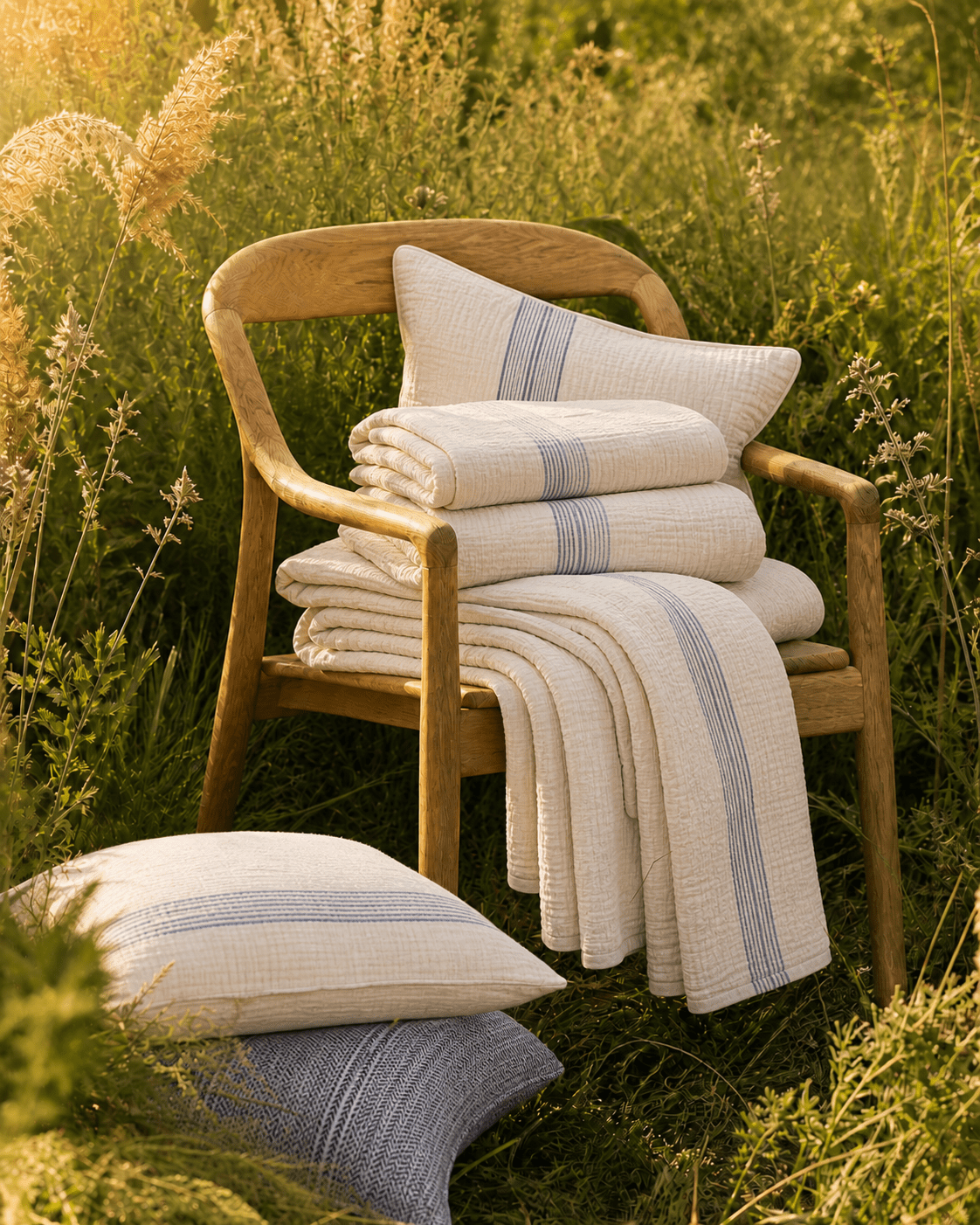
Texture. Linen is textured from day one. It has a slightly rougher hand that softens significantly over time but never becomes as smooth as fine cotton. Cotton especially muslin or percale is smoother and more uniform. If you're sensitive to texture against your skin, cotton is usually the gentler starting point.
Breathability. Both breathe well, but linen has a natural moisture-wicking property that pulls sweat away from the body faster. For heavy sleepers in warm climates, linen tends to feel cooler through the night. Cotton breathes well but retains a little more warmth.
Durability. Linen wins here by a wide margin. Linen fibers are two to three times stronger than cotton and become softer not weaker with use. Well-made linen sheets can last 15–20 years. Good cotton sheets typically last 5–10 years with proper care.
Break-in period. Linen needs time. It can feel stiff the first few washes and softens gradually. Cotton, especially muslin, tends to feel comfortable sooner.
Linen-Cotton Blends
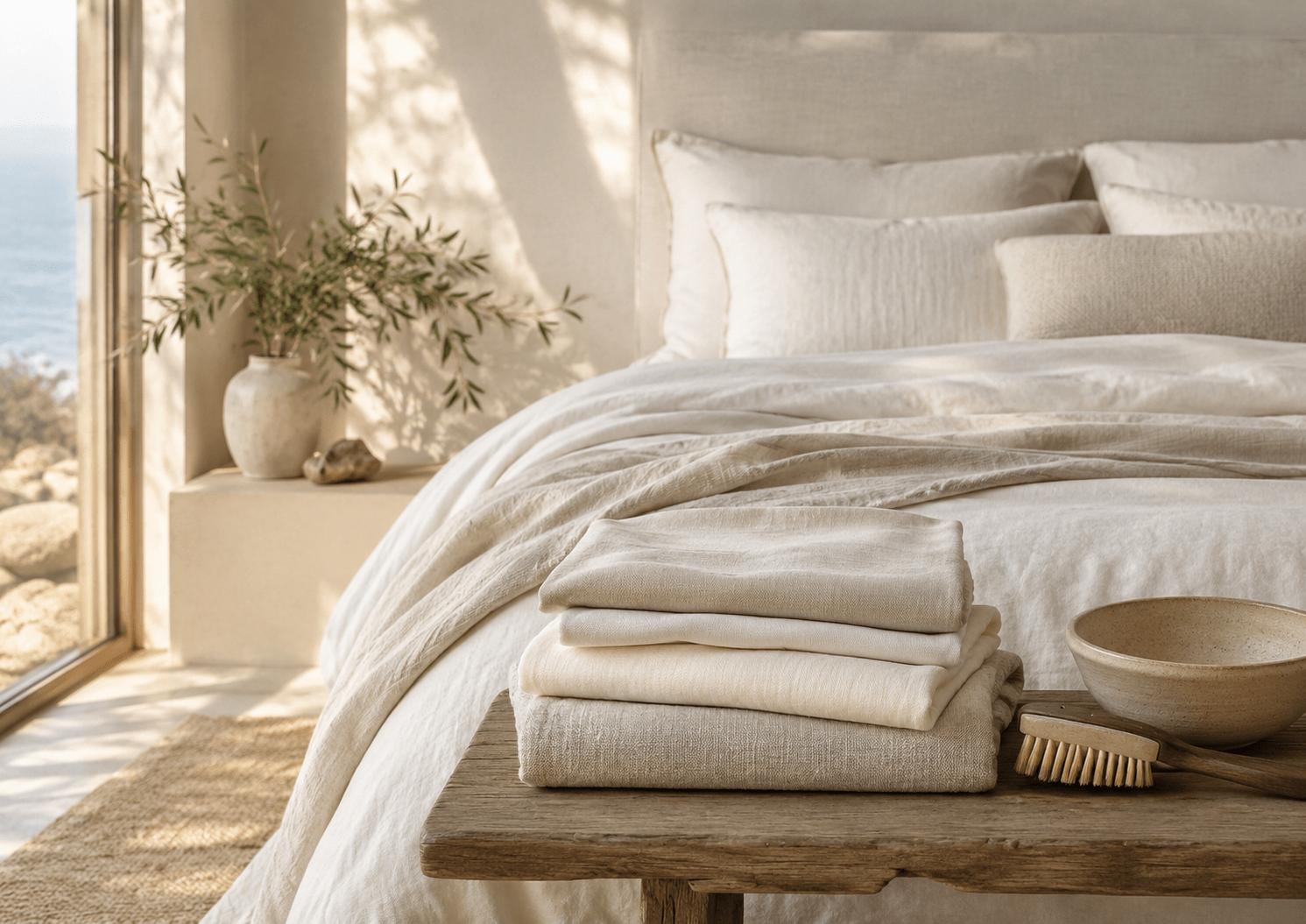
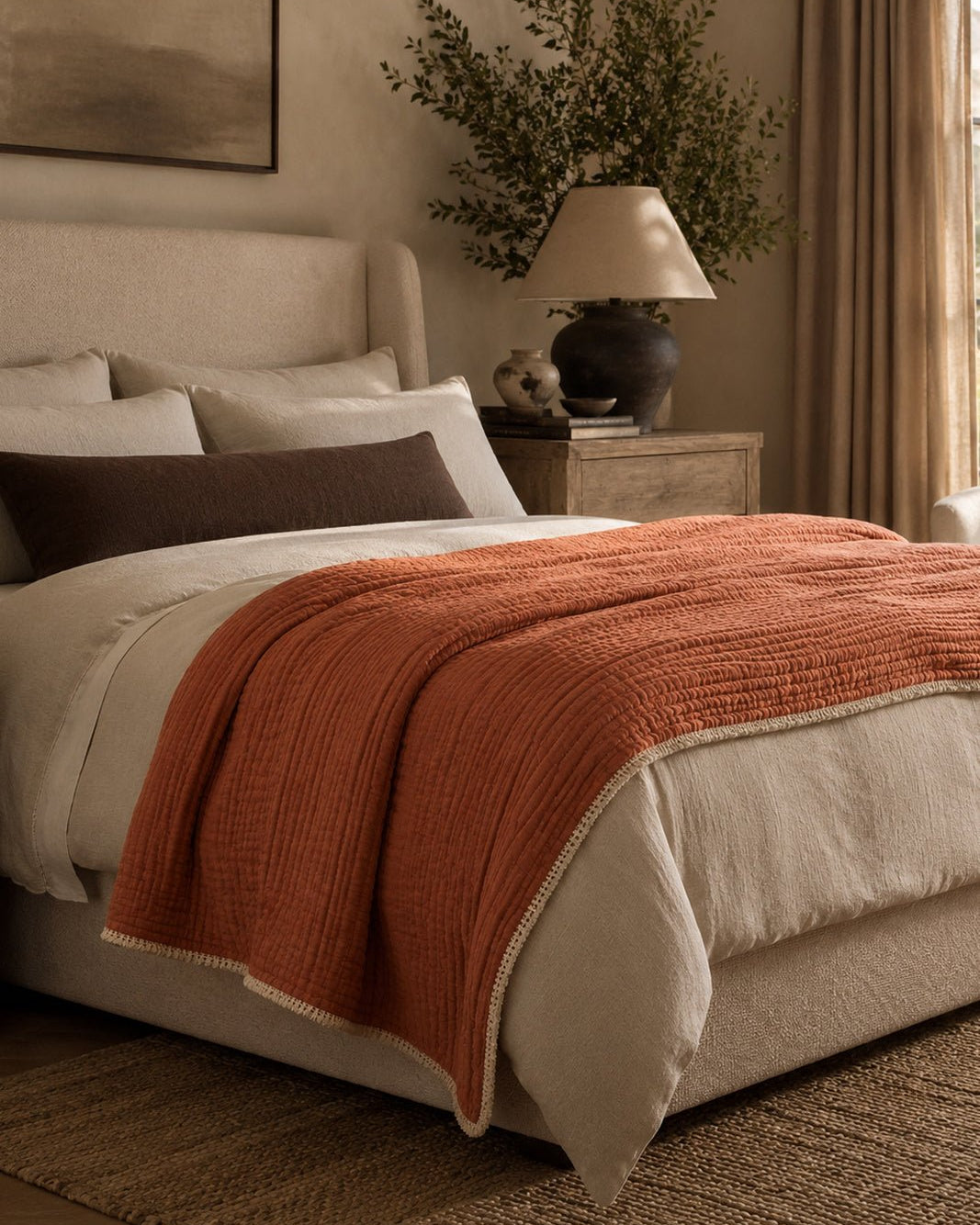
A linen-cotton blend gives you the durability and breathability of linen with the softness and smoothness of cotton. It's often the best choice for people who love the idea of linen but want a more accessible starting texture. Calinea's bedding uses both pure and blended weaves each selected for how it performs over time, not just at first touch.
Which Should You Choose?
Choose linen if you sleep warm, want something that lasts decades, and appreciate texture that evolves. Choose cotton muslin if you prefer a softer starting hand, want something easier to care for, or are buying for a guest room. Choose a linen blend if you want both.
There's no wrong answer only what fits how you actually sleep.
Ready to find the right fit? Browse the Calinea bedding collection linen, muslin, and linen-cotton blends, all made in small batches from natural fibers.