





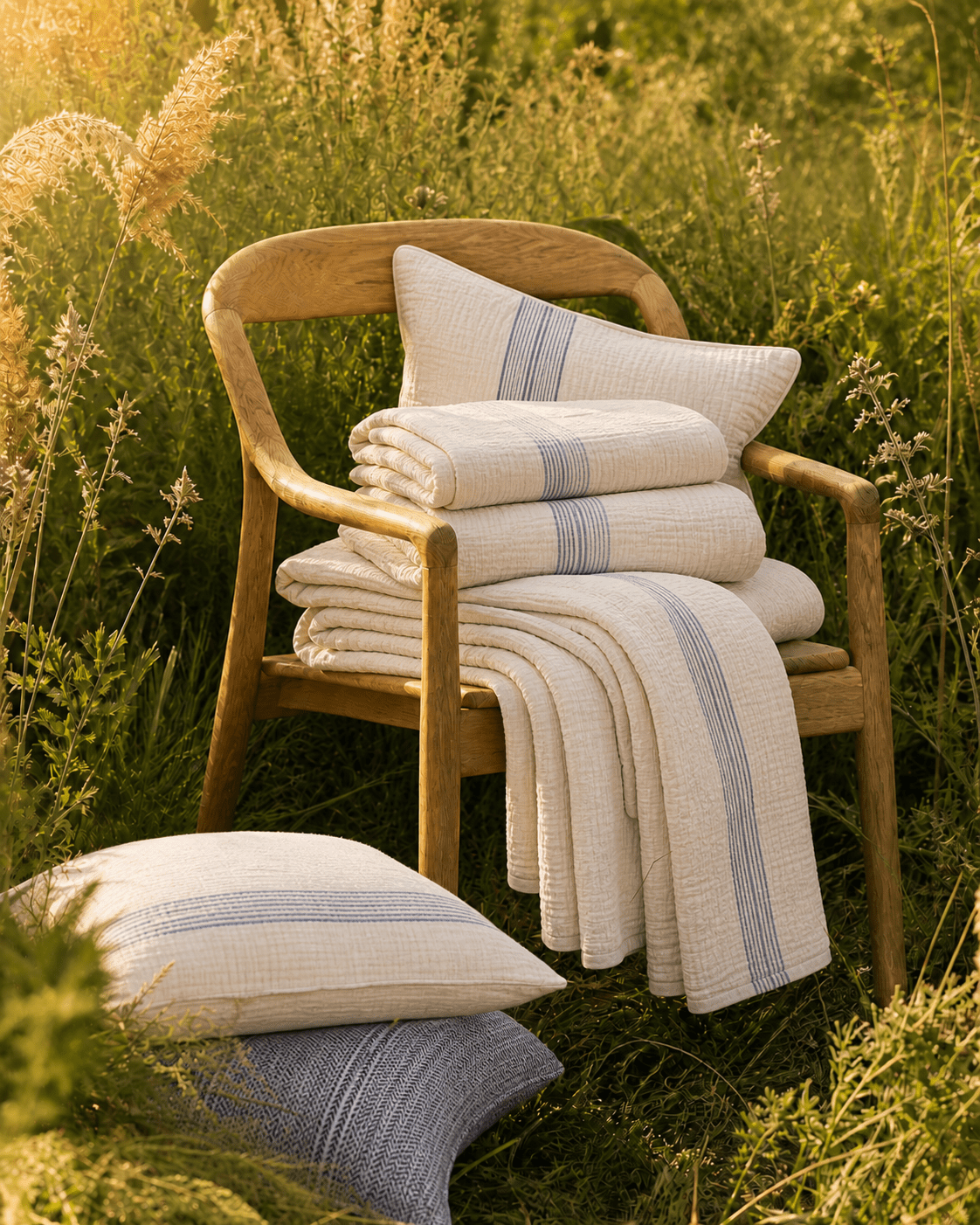


Turkish Cotton vs. Regular Cotton: What Actually Makes the Difference
“Turkish cotton” gets used as a luxury label, but the real difference comes down to one thing: fiber length. Here’s what actually changes when cotton is grown and woven the way it is in Türkiye — and how to judge it for yourself.
It starts with long-staple fibers
Cotton quality is largely about staple length — how long each individual fiber is. Turkish cotton is prized for its long-staple fibers, which spin into smoother, stronger yarn with fewer loose ends. Regular (short-staple) cotton makes a perfectly usable towel, but it tends to pill sooner, shed more, and feel rougher over time.
Why it matters for towels
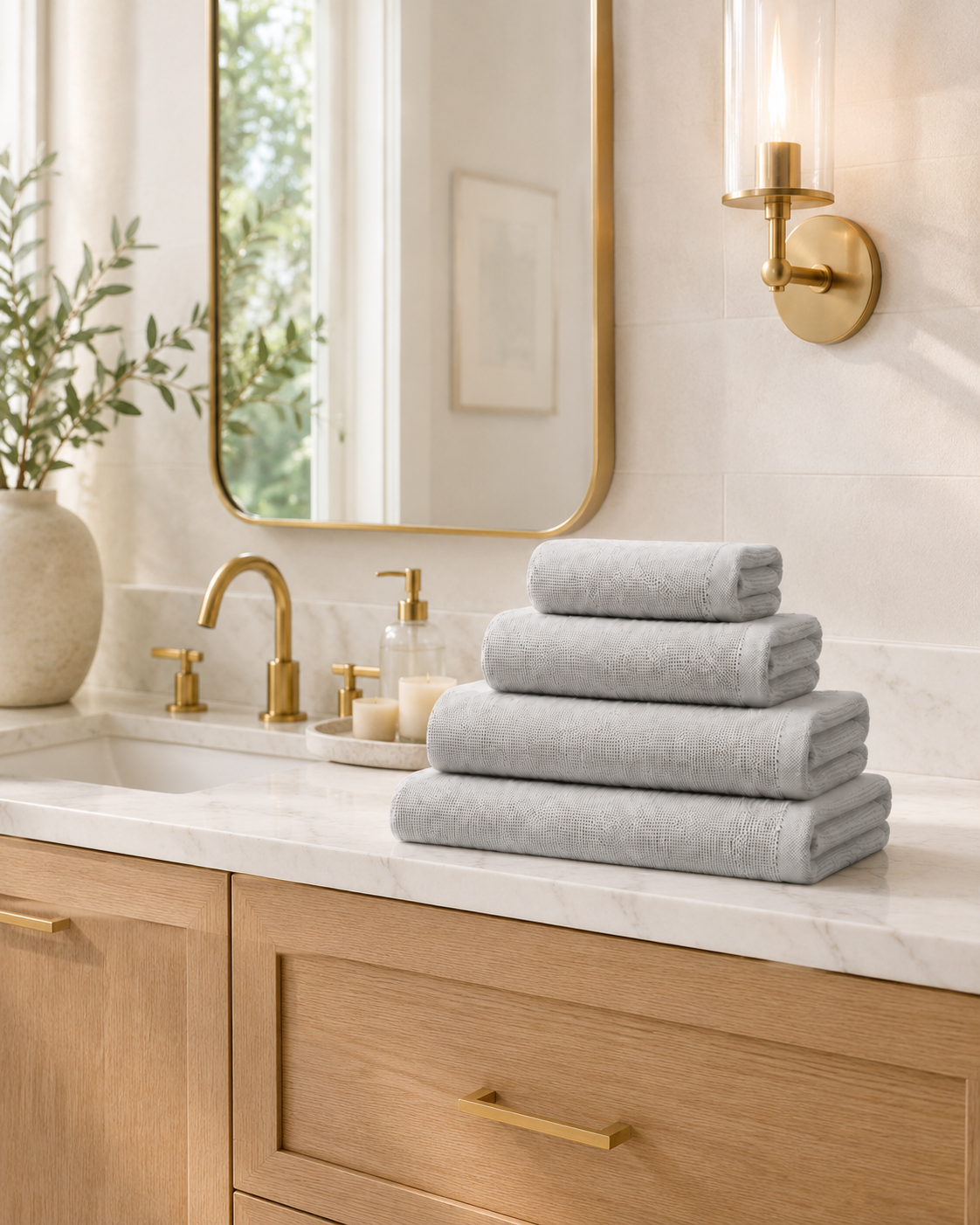
Longer fibers mean more surface area to absorb water and a softer hand that improves with washing rather than degrading. That’s why a good Turkish cotton towel feels a little crisp at first and then gets plusher over the first few washes. Our Cloud Waffle and fine-weave towels are built on exactly this.
Why it matters for bedding
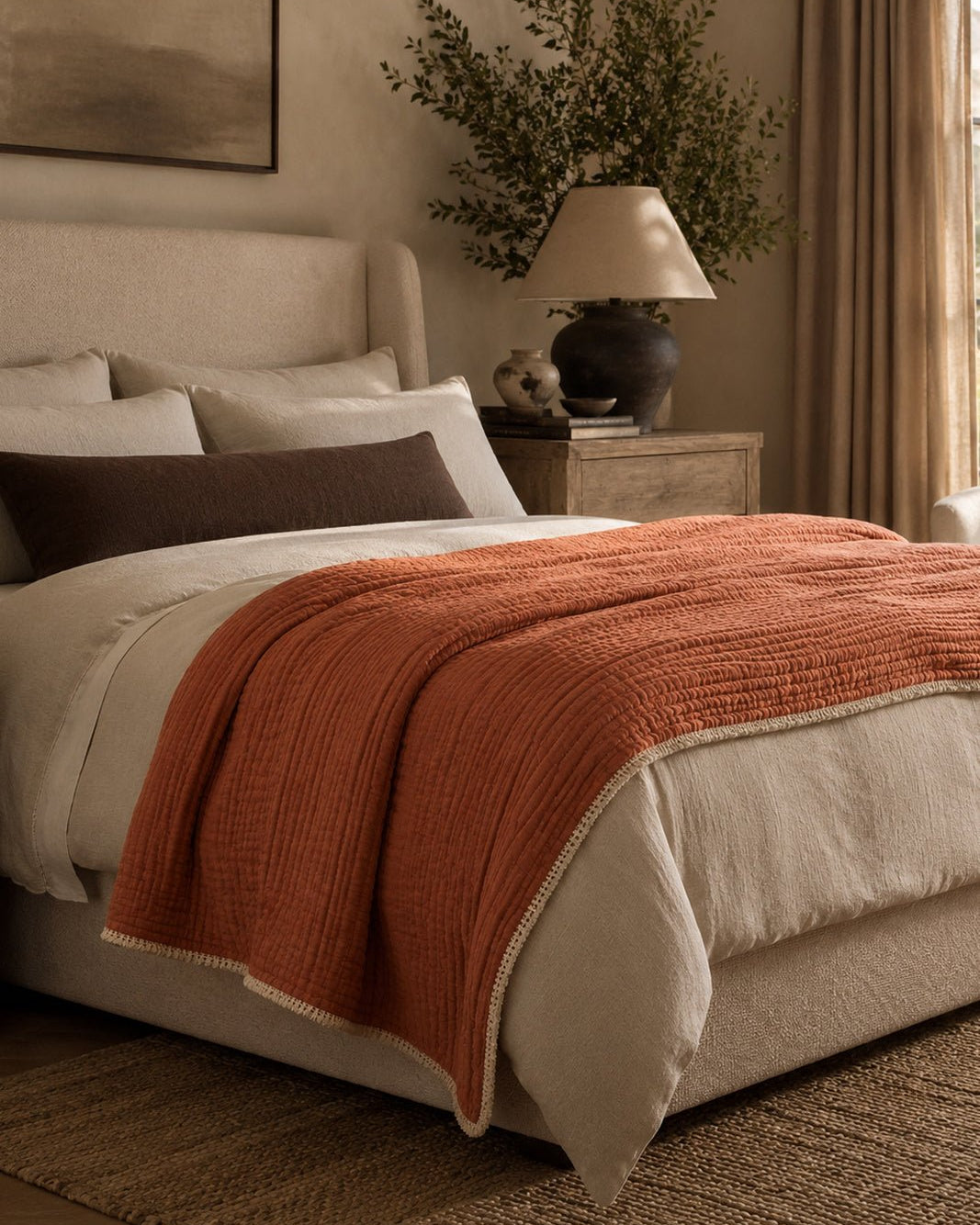
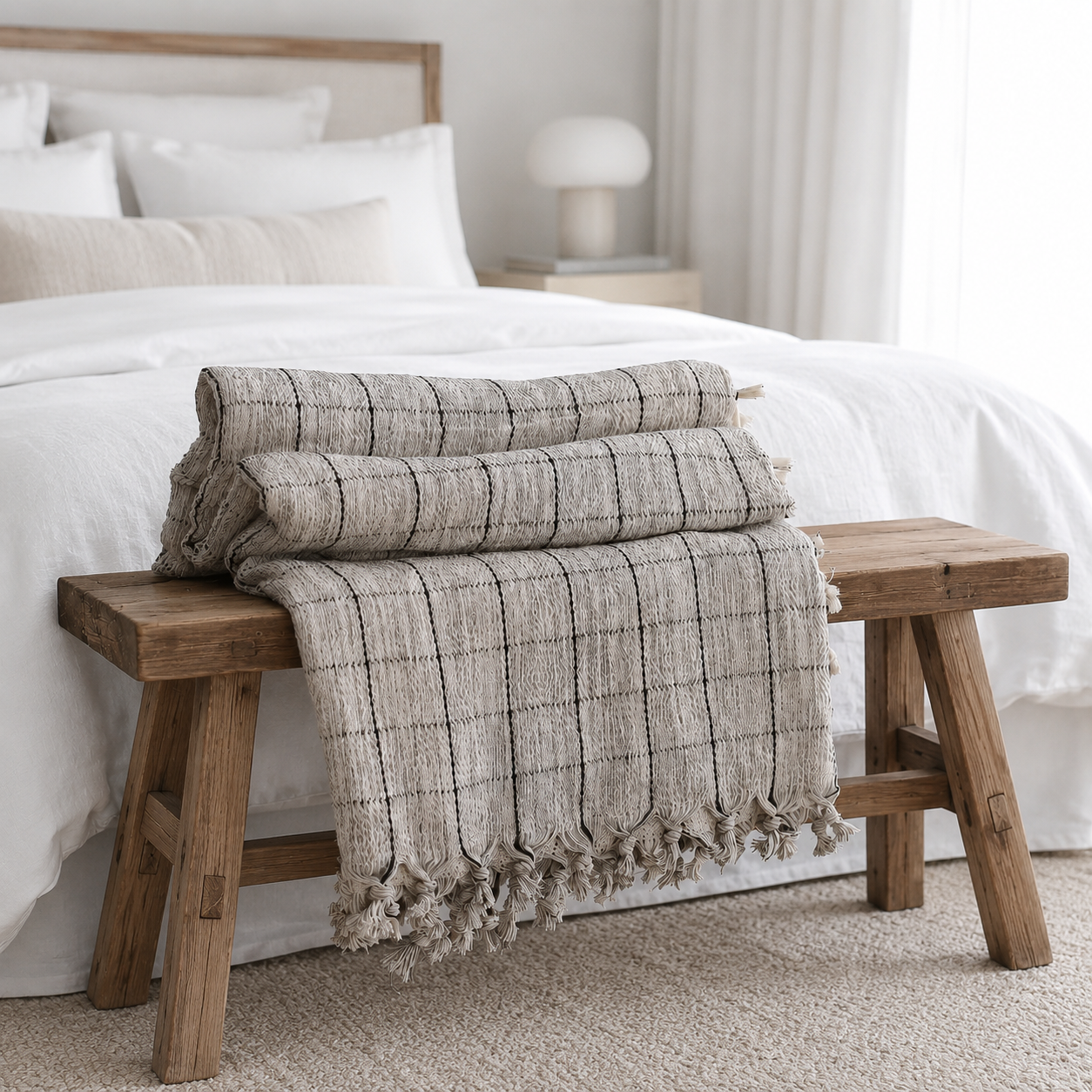
In bedding, long-staple cotton makes weaves like muslin breathable and durable at the same time — airy enough to sleep cool, strong enough to last years of washing.
How to tell real quality (not marketing)
- Ask about staple length or “long-staple,” not just the country name.
- Look for OEKO-TEX certification (tested for harmful substances).
- Feel for weight and weave, not just softness out of the bag — cheap finishes feel soft once, then fade.
The short version
Regular cotton is fine. Long-staple Turkish cotton is what lets a towel or sheet get better with age instead of worse. That longevity is the actual luxury.
Shop the difference: Turkish cotton towels · Turkish cotton bedding